
 EN




Conservare a Desander idrociclonico means controlling the conditions that affect separation, not simply cleaning the vessel on a fixed schedule. A consistent maintenance routine helps operators spot wear, blockages, pressure changes, and process disturbances before they reduce the effectiveness of a sand removal cyclone. The right schedule depends on feed conditions, operating hours, and the consequences of lost separation.
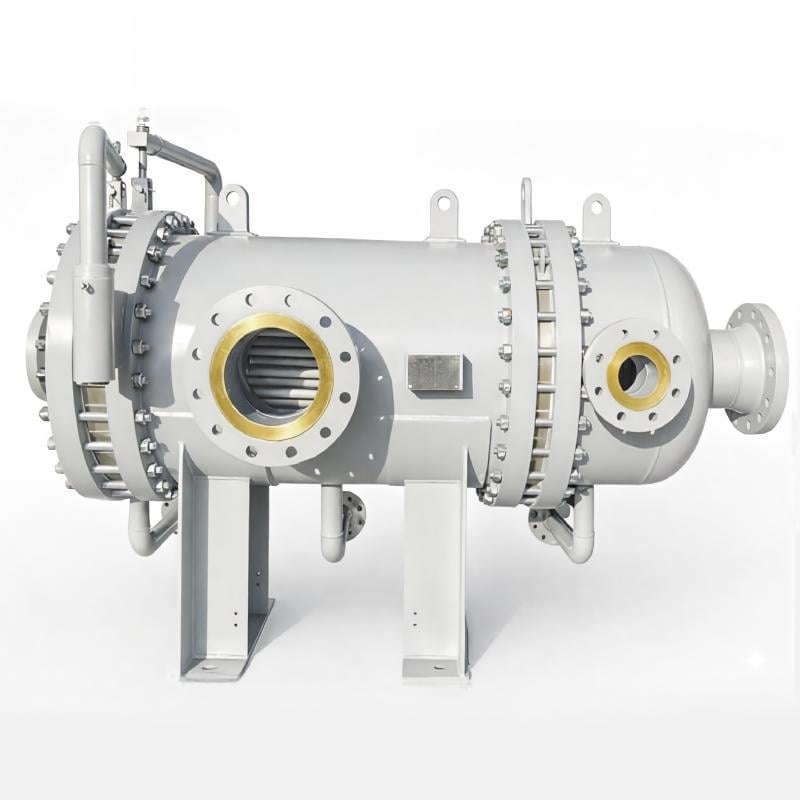
Initiate by establishing the unit’s normal operating baseline and recording pressure, flow, feed characteristics, and discharge appearance. For desanding equipment, these observations facilitate distinguishing gradual component wear from a sudden process upset. A hydrocyclone separator can be compact and mechanically simple, yet its performance still depends on stable feed and clear, correctly functioning flow paths.
Build a Routine Around Operating Conditions
Set a baseline before changing the schedule
Record operating conditions when the Hydro Cyclone Desander is performing as intended. Include inlet and outlet pressures, flow rate where available, fluid temperature, solids loading, and the appearance of underflow and overflow. These notes give a sand removal cyclone operator a reference for detecting meaningful change rather than reacting to every minor variation. Document the operating mode and process conditions alongside each reading.
Use the baseline to tailor inspection intervals to actual service. A change in feed solids, throughput, or fluid properties may justify more frequent checks of desanding equipment, especially during start-up or after process adjustments. Track readings over time instead of relying on memory. A hydrocyclone separator is best assessed under comparable conditions, since changing feed pressure or composition can alter discharge behavior.
Inspect safely and consistently
Before inspection, follow site isolation, depressurization, and lockout procedures, and verify that the equipment is safe to access. Check the body, connections, supports, flanges, and visible pipework for leakage, corrosion, vibration, or mechanical damage. Inspect the sand removal cyclone discharge area for buildup or signs of restricted flow. Record findings, even when no corrective work is needed, so recurring issues are visible.
A repeatable inspection route reduces the chance of overlooking small changes. For desanding equipment, operators should note unusual noise, vibration, external deposits, and any change in discharge consistency. Compare observations with recent process readings before adjusting the unit. If a hydrocyclone separator shows a sudden change, investigate the feed and downstream conditions as well as the vessel itself.
Keep Flow Paths and Components in Good Condition
Check pressure, flow, and discharge behavior
Pressure readings can help reveal restriction, bypass, or an unstable feed, but they need context. Confirm that instruments are functioning and compare inlet and outlet values with the established operating range. When the sand removal cyclone produces an unexpected discharge, check for upstream changes before assuming a component has failed. For desanding equipment, a gradual deviation may be as important as an abrupt one.
Observa utrumque effluentem fluvium dum operatio normalis procedit, secundum regulas loci de securitate et conceptionem processus. Adverte notabilem mutationem in consistentia, fluxum intermittens, aut signa obturationis. Separator hydrocyclonicus dependet ab itinere inobstructo per suum introitum et effluentes; ideo coniunctiones restrictae separationem possunt impedire. Nota observationem cum conditionibus operationis, et vitare multas mutationes simul facere.
Purga et aestima partes quae usum patiuntur diligenter
Cum purgatio requiritur, utere approbata procedura pro cessatione et isolatione, deinde remove deposita per methodos quae compatibiles sunt cum materialibus apparatus. Evita instrumenta aut chemicas quae superficies internas possunt scindere, linimenta laedere, aut residuum relinquere. Inspecta introitum cyclonis pro arenis removendis et areas effluentis pro erosionibus aut solidis accumulatis. Pro apparatus qui arenas removet, nota ubi deposita formata sunt, quoniam locus causam identificare potest.
Inspicere lineras, nozzleas, et alias partes quae facile attriuntur secundum designum unitatis et instructiones de maintenance. Observare erosionem inaequalem, rimas, deformationem, aut amissionem materiae, et comparare observationes cum inspectionibus praecedentibus. Separator hydrocyclonicus potest ostendere mutationes in separatione dum attritio progreditur, etiam si exterior integra videtur. Partes substituere secundum specificaciones approbatas, et documentare causam ac diem cuiusque substitutionis.
Usus Rerum Inventarum in Maintenance ad Fidibilitatem Meliorandam
Respondere Tendentiis Potius Quam Lectionibus Isolatis
Recensere simul records inspectionis et data processus. Derivatio pressionis repetita, obstruendo recurrens, aut mutatio in modo effluentis possunt indicare incipientem difficultatem aut mutationem in conditionibus alimenti. Verificare an cyclonus pro remotione harenae operetur intra suum destinatum ambitum processus antequam parametri mutantur. Pro apparatibus desandandi, decisiones fundatae super tendentiis adiuvant ut inspectiones priorizentur et interventiones supervacuas evitantur.
When performance changes, investigate systematically: verify instruments, confirm feed conditions, inspect accessible connections, and assess wear during a safe shutdown if needed. Avoid compensating for a restriction by making an unverified operating change. A hydrocyclone separator should be evaluated as part of the wider process, since upstream solids loading and downstream backpressure can influence its behavior.
Maintain records and clear operating handovers
A useful maintenance record captures the date, operating conditions, observed symptoms, inspection results, actions taken, and parts changed. Include photographs or sketches when they clarify wear location or deposit patterns. This history helps sand removal cyclone teams compare findings across shifts and planned outages. Consistent records also support practical decisions about inspection frequency for desanding equipment.
During handover, communicate abnormal readings, temporary operating measures, outstanding inspections, and any limits on continued operation. Make sure staff know the approved response to suspected plugging or leakage. For a hydrocyclone separator, clear instructions help prevent conflicting adjustments and preserve useful diagnostic information. Review procedures after equipment changes or recurring faults so maintenance practice reflects current site conditions.
Quaestiones Frequentes
How often should a Hydro Cyclone Desander be inspected?
Set inspection frequency according to operating hours, feed conditions, solids loading, and site risk requirements. Begin with the equipment manual and site maintenance plan, then adjust using documented findings. A sand removal cyclone exposed to changing feed may need closer observation. For desanding equipment, trend readings and inspection results rather than choosing an interval without operational evidence.
What indicates that cleaning or repair may be needed?
Mutationes pressionis insolitae, effusio inconstans, obturatio recurrentis, perditio, vibratio, aut damnum visibile investigationem postulant. Confirmare instrumenta et condiciones processus antequam concludatur separator hydrocyclonis ipse culpabilis esse. Si inspectio usum vel deposita identificat, uti proceduris approbatis isolationis, purgationis, et reparationis. Notare observationes cyclonis pro remotione harenae et sequi requisita escalationis loci.
Potestne manutentio fieri dum unitas operatur?
Observatio externa ordinaria et inspectiones instrumentorum approbatarum possunt fieri dum unitas operatur, sub regulis loci et condicionibus accessus tuto. Apertura, purgatio, aut inspectio interna requirunt processum praescriptum cessationis et isolationis. Non transgredi praeservativa ut apparatus desanding in linea maneat. Pro separatore hydrocyclonis, sequi instructiones fabricantis et proceduras loci antequam quodlibet opus intrusivum agatur.