
 EN




Maintaining a Hydro Cyclone Desander means controlling the conditions that affect separation, not simply cleaning the vessel on a fixed schedule. A consistent maintenance routine helps operators spot wear, blockages, pressure changes, and process disturbances before they reduce the effectiveness of a sand removal cyclone. The right schedule depends on feed conditions, operating hours, and the consequences of lost separation.
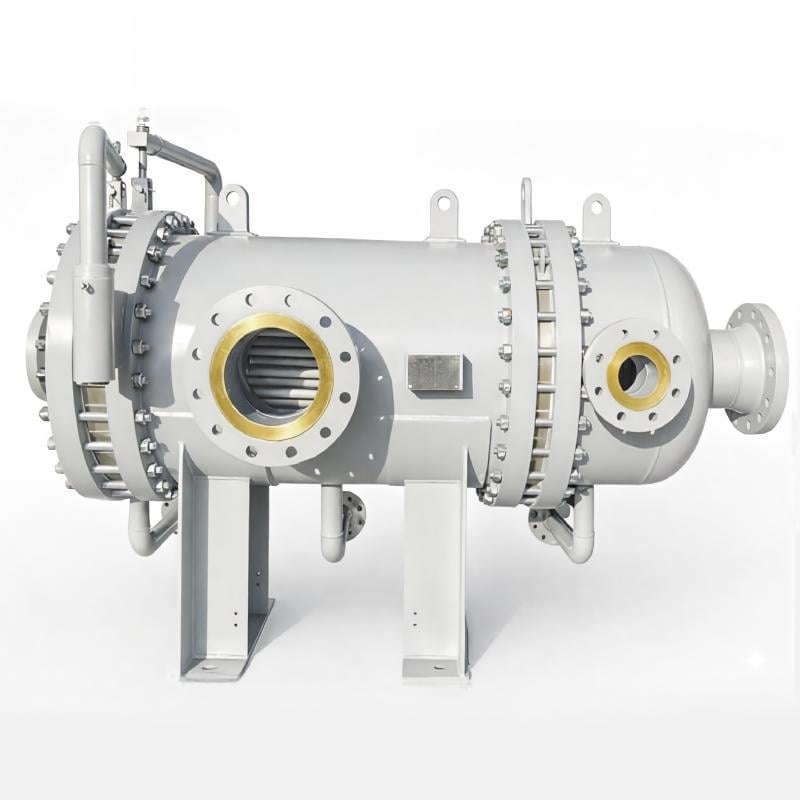
Start by establishing the unit’s normal operating baseline and recording pressure, flow, feed characteristics, and discharge appearance. For desanding equipment, these observations make it easier to distinguish gradual component wear from a sudden process upset. A hydrocyclone separator can be compact and mechanically simple, but its performance still depends on stable feed and clear, correctly functioning flow paths.
Build a Routine Around Operating Conditions
Set a baseline before changing the schedule
Record operating conditions when the Hydro Cyclone Desander is performing as intended. Include inlet and outlet pressures, flow rate where available, fluid temperature, solids loading, and the appearance of underflow and overflow. These notes give a sand removal cyclone operator a reference for detecting meaningful change rather than reacting to every minor variation. Document the operating mode and process conditions alongside each reading.
Use the baseline to tailor inspection intervals to actual service. A change in feed solids, throughput, or fluid properties may justify more frequent checks of desanding equipment, especially during start-up or after process adjustments. Track readings over time instead of relying on memory. A hydrocyclone separator is best assessed under comparable conditions, since changing feed pressure or composition can alter discharge behavior.
Inspect safely and consistently
Before inspection, follow site isolation, depressurization, and lockout procedures, and verify that the equipment is safe to access. Check the body, connections, supports, flanges, and visible pipework for leakage, corrosion, vibration, or mechanical damage. Inspect the sand removal cyclone discharge area for buildup or signs of restricted flow. Record findings, even when no corrective work is needed, so recurring issues are visible.
A repeatable inspection route reduces the chance of overlooking small changes. For desanding equipment, operators should note unusual noise, vibration, external deposits, and any change in discharge consistency. Compare observations with recent process readings before adjusting the unit. If a hydrocyclone separator shows a sudden change, investigate the feed and downstream conditions as well as the vessel itself.
Keep Flow Paths and Components in Good Condition
Check pressure, flow, and discharge behavior
Pressure readings can help reveal restriction, bypass, or an unstable feed, but they need context. Confirm that instruments are functioning and compare inlet and outlet values with the established operating range. When the sand removal cyclone produces an unexpected discharge, check for upstream changes before assuming a component has failed. For desanding equipment, a gradual deviation may be as important as an abrupt one.
Observe both discharge streams during routine operation, following site safety rules and the process design. Look for a marked shift in consistency, intermittent flow, or evidence of plugging. A hydrocyclone separator relies on an unobstructed path through its inlet and outlets, so restricted connections can affect separation. Log the observation with the operating conditions and avoid making multiple adjustments at once.
Clean and assess wear parts deliberately
When cleaning is required, use the approved shutdown and isolation procedure, then remove deposits with methods compatible with the equipment materials. Avoid tools or chemicals that could scratch internal surfaces, damage linings, or leave residue. Inspect the sand removal cyclone inlet and discharge areas for erosion or accumulated solids. For desanding equipment, record where deposits formed, since location can help identify the cause.
Inspect liners, nozzles, and other wear-prone parts according to the unit design and maintenance instructions. Look for uneven erosion, cracking, deformation, or loss of material, and compare findings with previous inspections. A hydrocyclone separator may show changes in separation as wear develops, even if the exterior appears sound. Replace parts using approved specifications, and document the reason and date for each replacement.
Use Maintenance Findings to Improve Reliability
Respond to trends instead of isolated readings
Review inspection records and process data together. Repeated pressure drift, recurring blockage, or a changing discharge pattern can point to a developing issue or a change in feed conditions. Check whether the sand removal cyclone is operating within its intended process envelope before modifying settings. For desanding equipment, trend-based decisions help prioritize inspection and avoid unnecessary interventions.
When performance changes, investigate systematically: verify instruments, confirm feed conditions, inspect accessible connections, and assess wear during a safe shutdown if needed. Avoid compensating for a restriction by making an unverified operating change. A hydrocyclone separator should be evaluated as part of the wider process, since upstream solids loading and downstream backpressure can influence its behavior.
Maintain records and clear operating handovers
A useful maintenance record captures the date, operating conditions, observed symptoms, inspection results, actions taken, and parts changed. Include photographs or sketches when they clarify wear location or deposit patterns. This history helps sand removal cyclone teams compare findings across shifts and planned outages. Consistent records also support practical decisions about inspection frequency for desanding equipment.
During handover, communicate abnormal readings, temporary operating measures, outstanding inspections, and any limits on continued operation. Make sure staff know the approved response to suspected plugging or leakage. For a hydrocyclone separator, clear instructions help prevent conflicting adjustments and preserve useful diagnostic information. Review procedures after equipment changes or recurring faults so maintenance practice reflects current site conditions.
FAQ
How often should a Hydro Cyclone Desander be inspected?
Set inspection frequency according to operating hours, feed conditions, solids loading, and site risk requirements. Begin with the equipment manual and site maintenance plan, then adjust using documented findings. A sand removal cyclone exposed to changing feed may need closer observation. For desanding equipment, trend readings and inspection results rather than choosing an interval without operational evidence.
What indicates that cleaning or repair may be needed?
Unusual pressure changes, inconsistent discharge, recurring blockage, leakage, vibration, or visible damage warrant investigation. Confirm instruments and process conditions before concluding that the hydrocyclone separator itself is at fault. If inspection identifies wear or deposits, use the approved isolation, cleaning, and repair procedures. Record the sand removal cyclone findings and follow the site’s escalation requirements.
Can maintenance be performed while the unit is operating?
Routine external observation and approved instrument checks may be possible during operation, subject to site rules and safe access. Opening, cleaning, or internal inspection requires the prescribed shutdown and isolation process. Do not bypass safeguards to keep desanding equipment online. For a hydrocyclone separator, follow the manufacturer’s instructions and site procedures before any intrusive work.