EN
EN


Petrochemical & Coal Chemical
Filtration Solutions – Precise Separation, Stable Operation
In petrochemical and coal chemical production, impurities such as liquid carryover in raw gas, amine foaming, solids entrainment in mother liquor, and oil contamination in coke-cooling water are persistent challenges that directly affect long-term plant reliability, product quality, and environmental compliance. We offer a full-range solution from gas purification and solvent maintenance to mother liquor recovery and coke-water circulation, helping customers overcome catalyst poisoning, amine degradation, material loss, and wastewater discharge issues – ensuring stable operation, cost reduction, and greener production.
Key Applications
Gas Pre-Purification
Process:
Raw gas (natural gas, syngas, coke oven gas, etc.) often carries compressor oil mist, pipeline rust, weld slag, and heavy hydrocarbon droplets before entering the main reactor. This stage uses multi-stage filtration to reduce liquid and solid contaminants to extremely low levels, providing a clean gas feed for the downstream catalyst bed.
Challenges:
If liquid droplets and dust are not effectively removed, they enter the reactor and cause catalyst pore blockage or active site poisoning. This leads to premature catalyst deactivation, increased bed pressure drop, shortened service life, and higher replacement frequency with associated downtime losses.
Solution:
A combined coalescing + precision filtration approach. The gas coalescing filter merges sub-micron liquid aerosols into larger droplets and automatically separates them, while the downstream cartridge filter captures any residual solids, ensuring gas cleanliness and protecting the catalyst and downstream compressors.
Products:
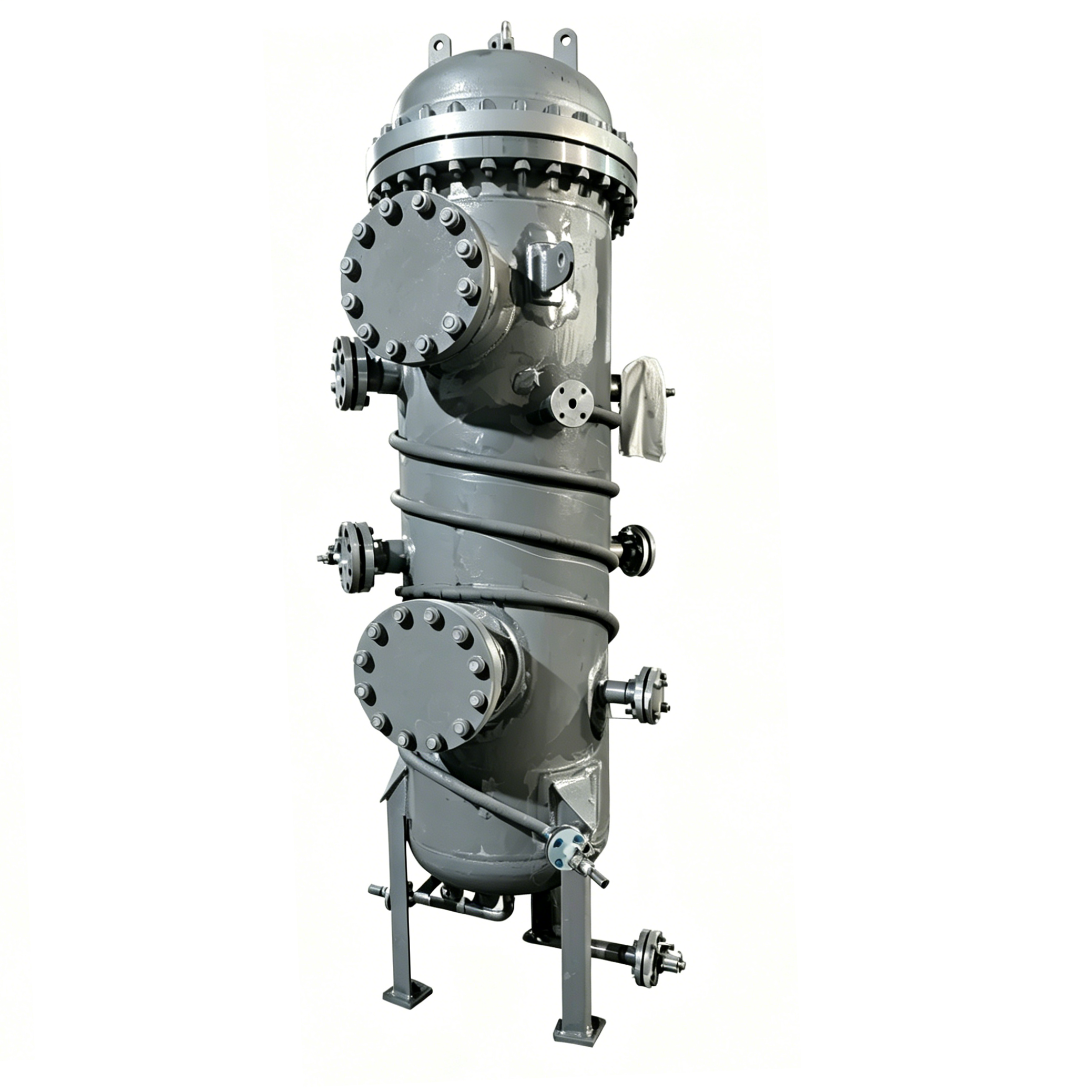
Coalescing Filter
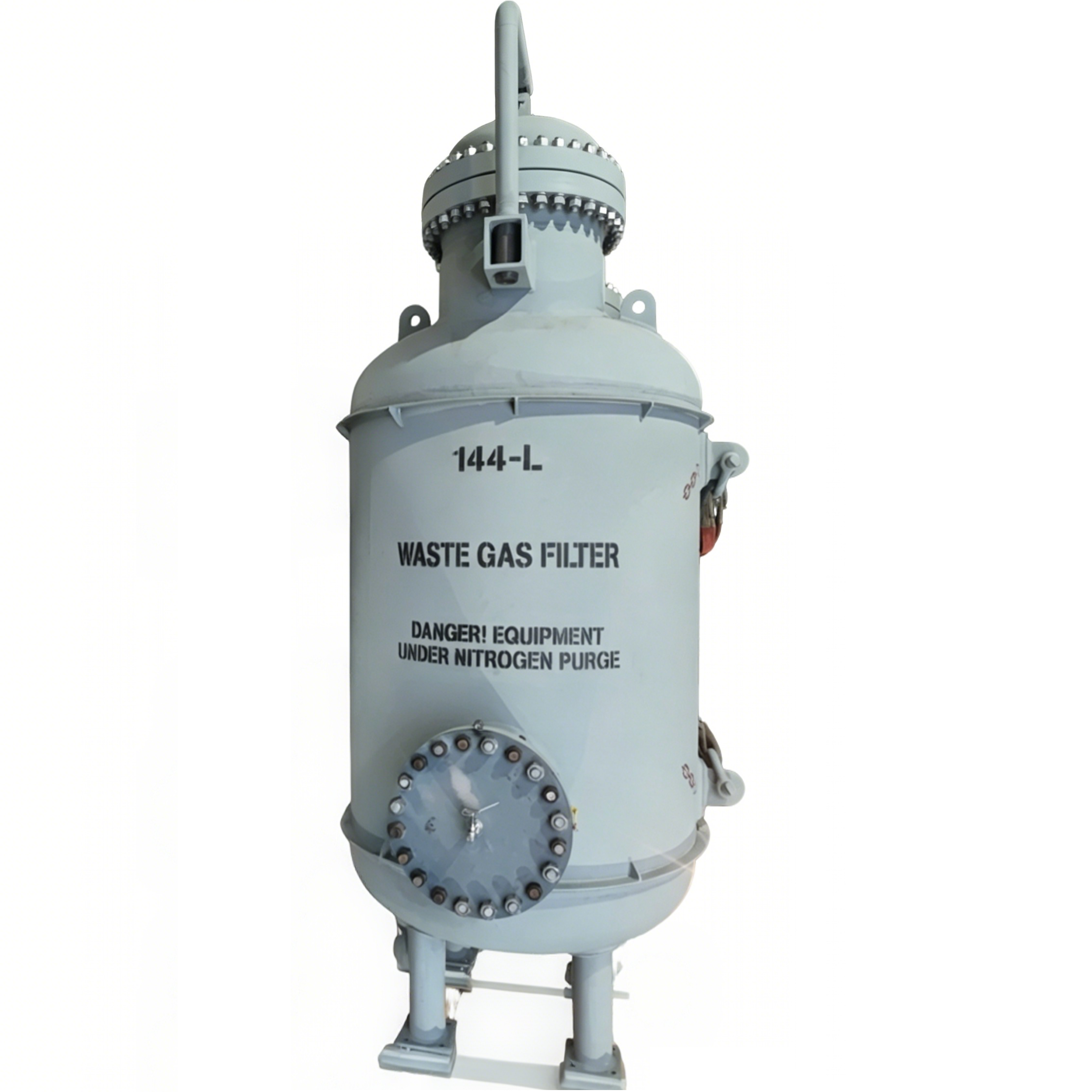
Cartridge Filter
|
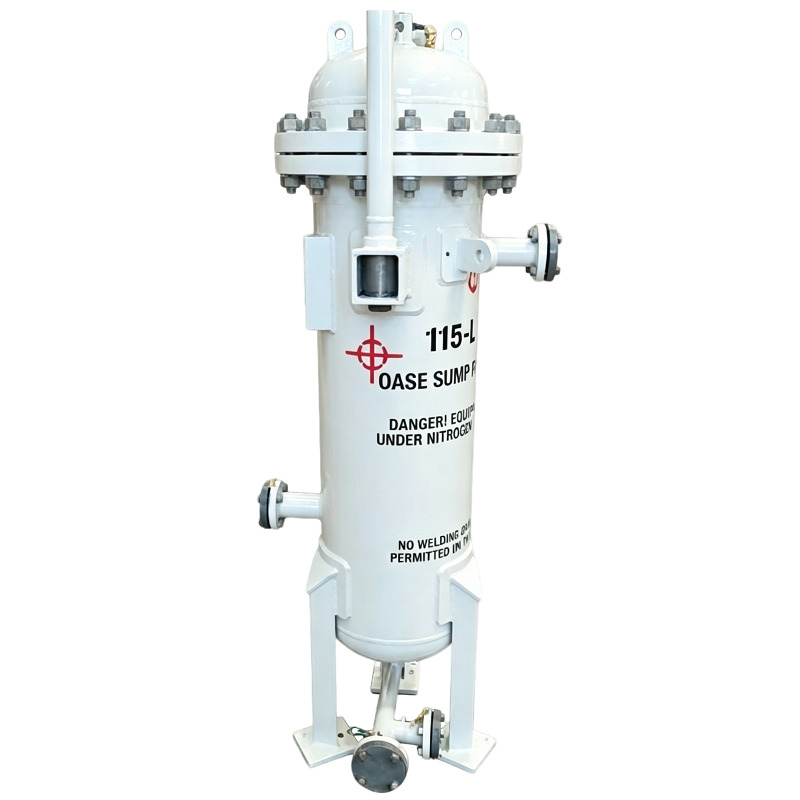
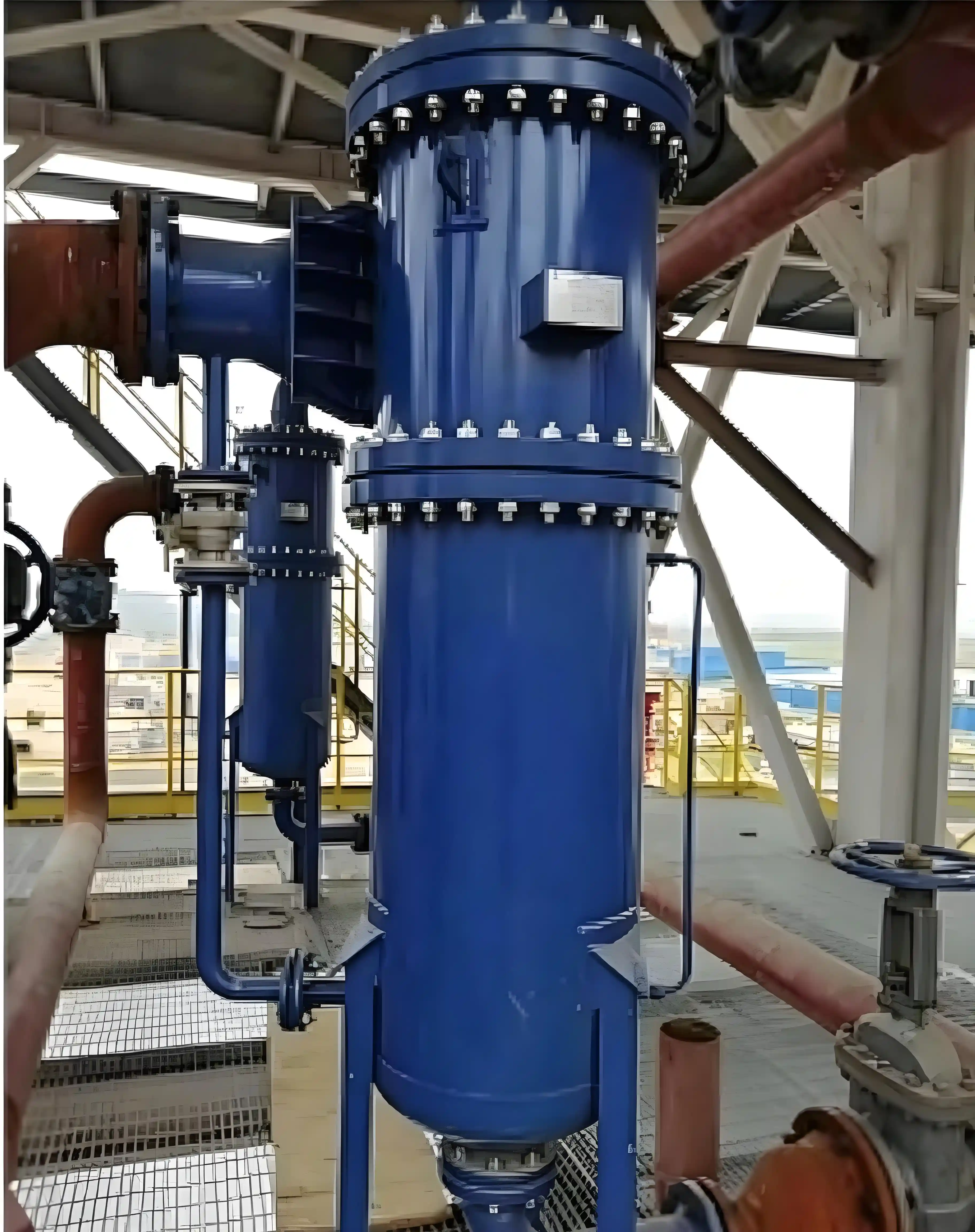
Gas Pre-purification and Decarbonization Solution Filtration for a Fertilizer Project in Egypt Gas Coalescer Filter+ Gas Filters | |
 |
 |
Amine Desulfurization / Decarburization System
Process:
In natural gas treating and syngas desulfurization, amine solutions (MDEA, MEA, etc.) circulate to absorb H₂S and CO₂, then are regenerated by heat stripping. This stage continuously filters both rich and lean amine streams to maintain solution cleanliness.
Challenges:
Circulating amines accumulate heat-stable salts, coke fines, iron sulfide, and corrosion products. These solids promote amine foaming, leading to absorber flooding, severe mist entrainment, reduced treating efficiency, increased amine loss, and equipment corrosion.
Solution:
Mechanical filters and activated carbon filters are installed on both rich and lean amine lines. The mechanical filters remove solid particulates online with automatic backwashing, while activated carbon filters adsorb heat-stable salt precursors and surfactants. Together, they eliminate foam triggers and ensure amine quality.
Products:
Automatic Candle Filter
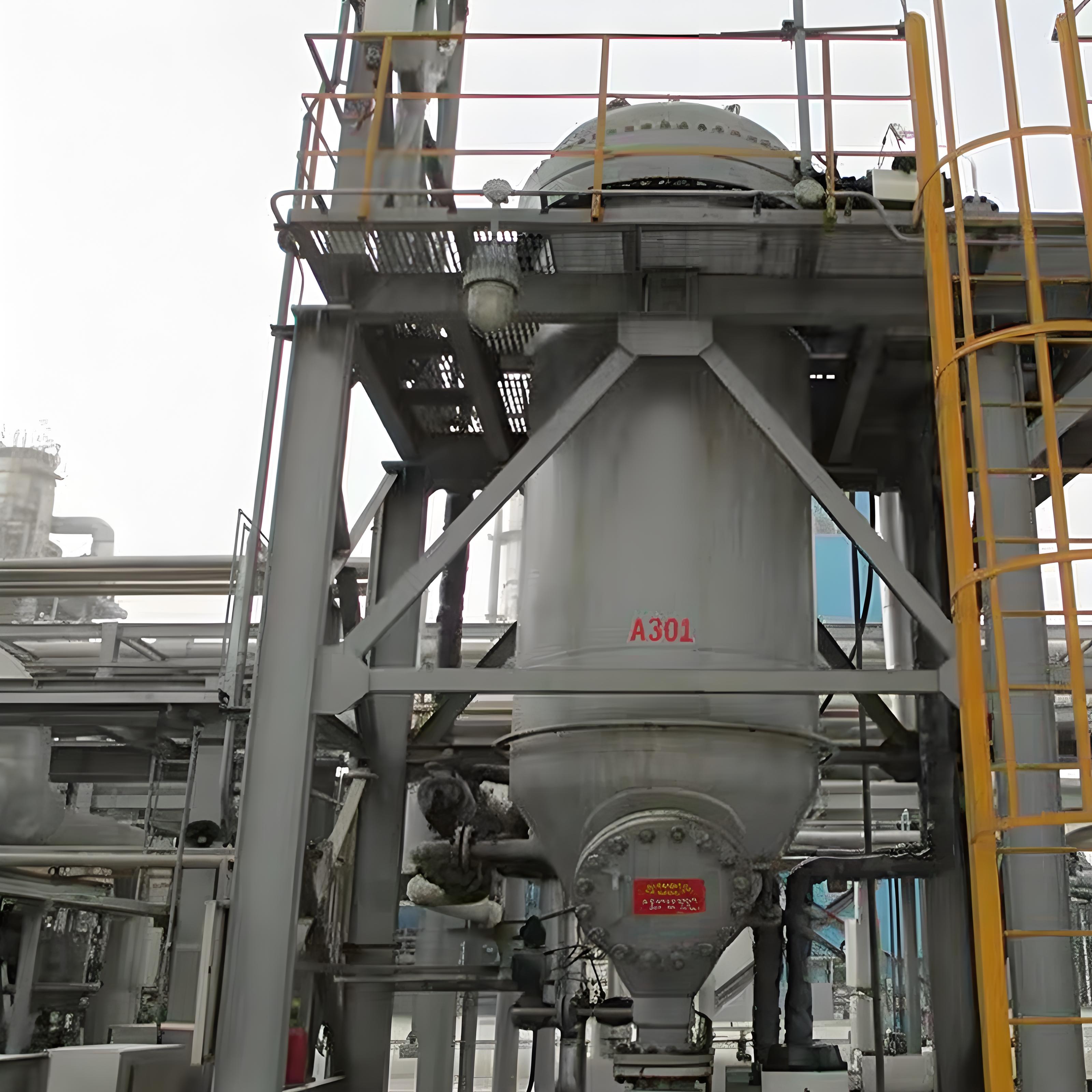
Cartridge Filter
Mother Liquor Solids Recovery System
Process:
In crystallization processes for PTA, polyester, coal chemical by-products, etc., the mother liquor from crystallizers contains valuable solid particles (product crystals or intermediates). This stage recovers these solids and returns clarified liquor to the system.
Challenges:
Direct disposal or simple treatment of mother liquor results in product loss and higher raw material costs. Moreover, high-solids mother liquor burdens the wastewater treatment plant. Traditional plate-and-frame filter presses require manual slag discharge, involve high labour intensity, and yield cloudy filtrate.
Solution:
A combination of liquid-solid hydrocyclone pre-separation + candle filter polishing. The hydrocyclone first reduces solids content, lessening the candle filter load and extending its cycle. The automatic candle filter then performs fully automated filtration, dry cake discharge, and back-blow cleaning, producing clear filtrate and low-moisture solids that are easy to recover or sell.
Products:
Liquid-Solid Hydrocyclone
Automatic Candle Filter
|
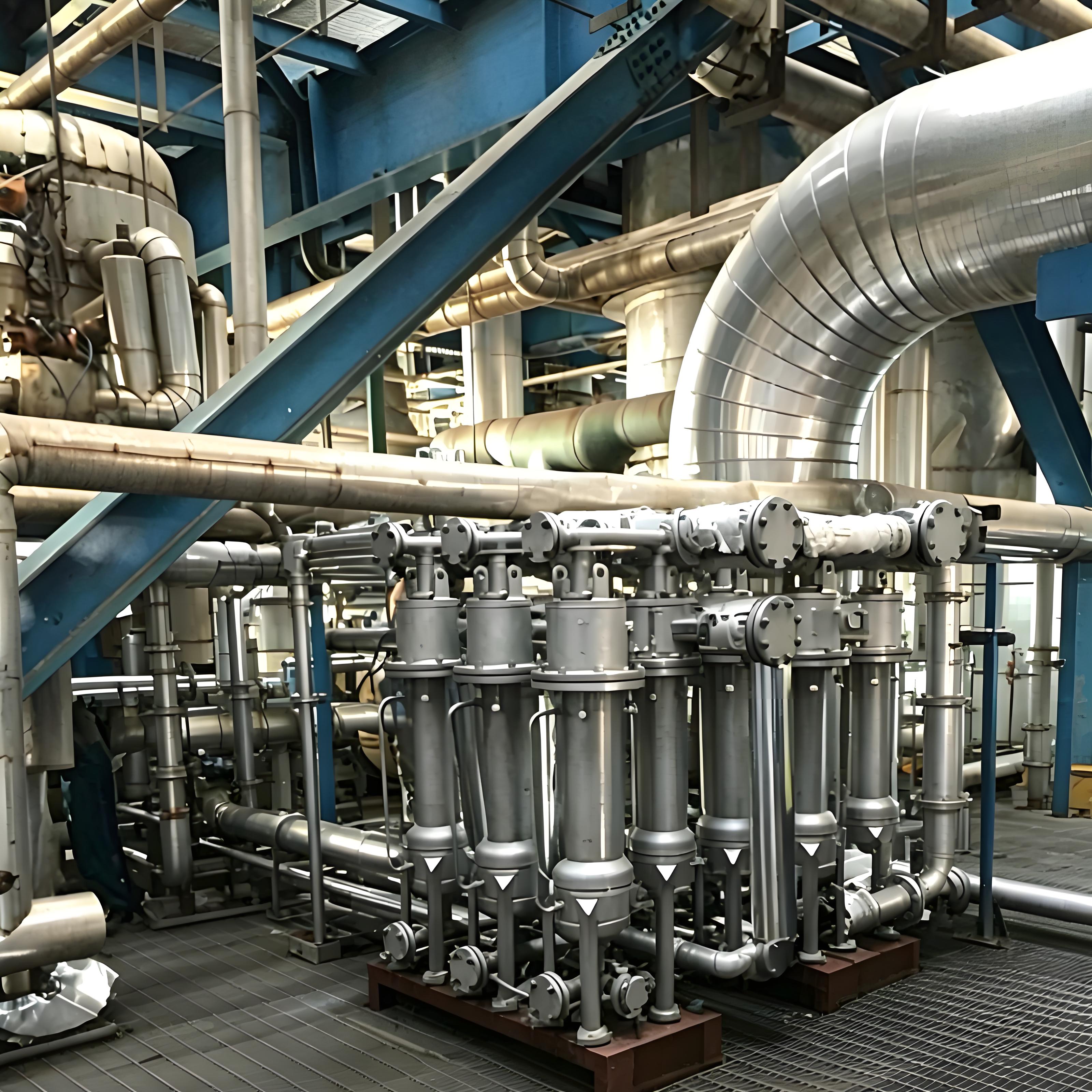
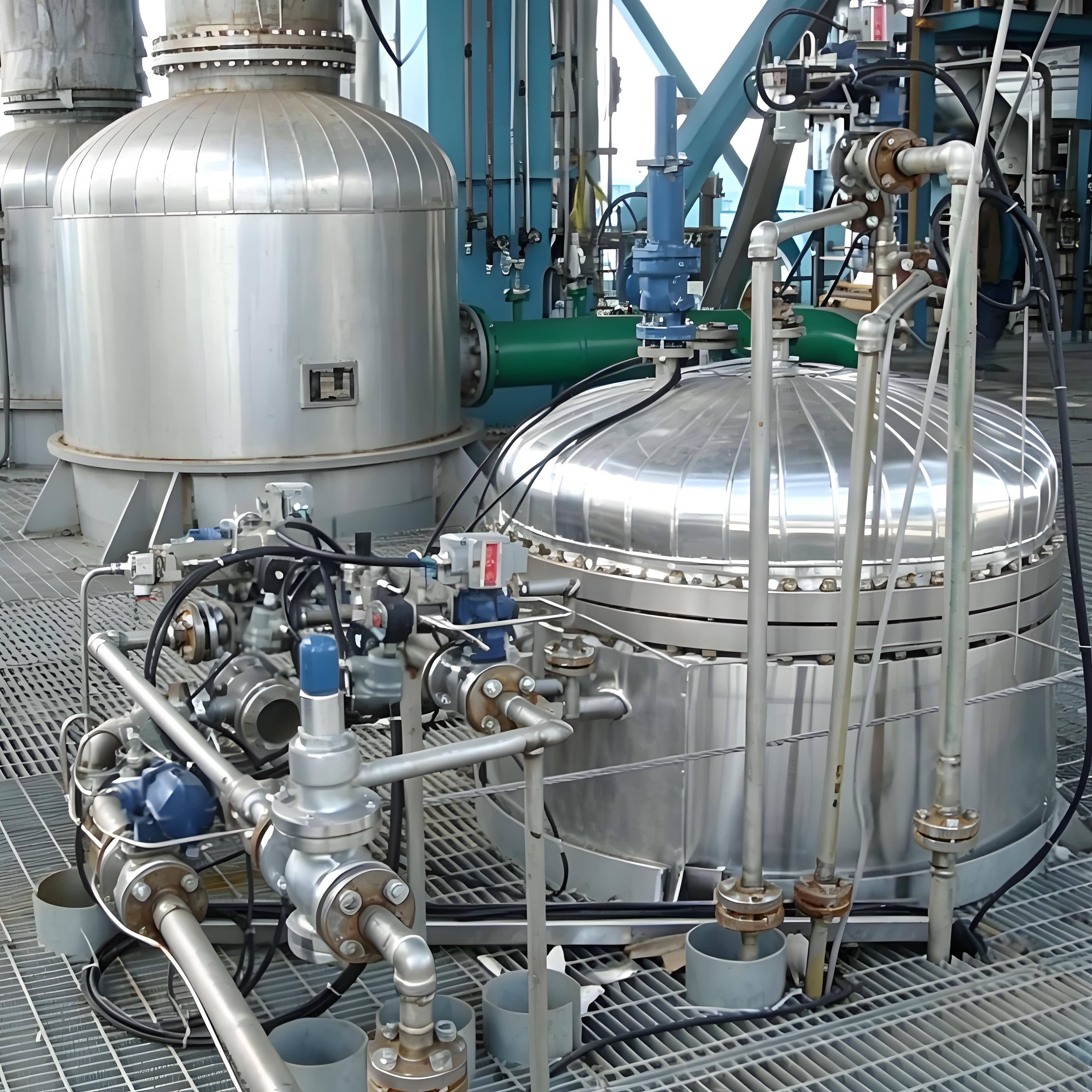
CTA Mother Liquor Solids Recovery System for a PTA Project in China (Liquid-Solid Hydro-cyclone + Automatic candle filters) | |
 |
 |
Coke-Cooling Water Circulation Treatment (Coal Chemical & Delayed Coking)
Process:
In needle coke or regular petroleum coke production, the coke drum is first cooled with water (cooling step) and then cut by high-pressure water (cutting step). The resulting effluent, containing coke fines and oil, is collectively called coke-cooling water. This stage treats this wastewater to meet recycle standards.
Challenges:
Coke-cooling water contains large amounts of fine, hard coke particles and free/emulsified oil. Direct recirculation without treatment rapidly clogs high-pressure pumps, nozzles, and piping, leading to cutting failure. In addition, oily wastewater discharge fails to meet environmental regulations, incurring high costs.
Solution:
A three-step treatment train: coarse filtration removes large coke pieces; a liquid-solid hydrocyclone removes fine coke fines; and a hydrocyclone oil remover separates free and emulsified oil. Treated water is clean and oil-free, ready to be returned to the high-pressure pump in a closed-loop system.
Products:
Automatic Self-cleaning Filter
Liquid-Solid Hydrocyclone
Deoiling Hydrocyclone
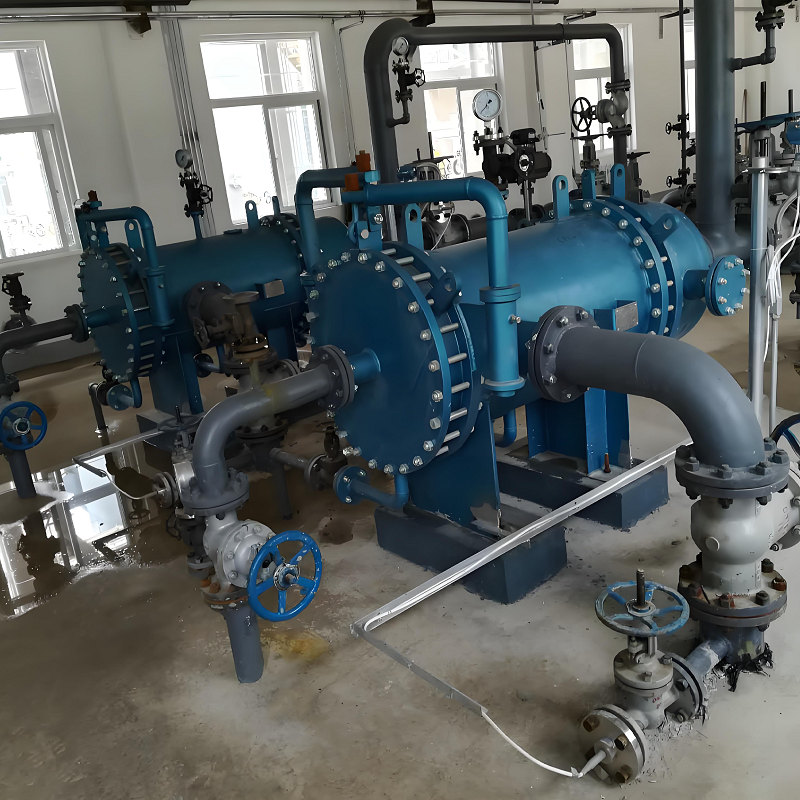
| Coke-Cooling Water Circulation Treatment System for a Needle Coke Production Project in China | |
| (Auto Backwash Filter +Liquid-Solid Hydro-cyclone + Deoiling Hydro-cyclone) | 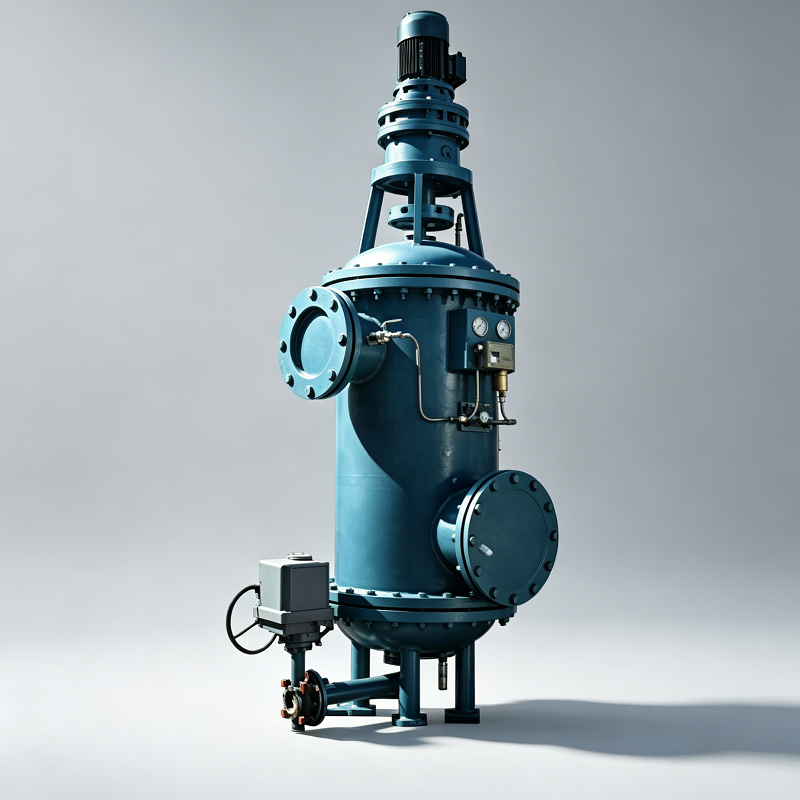 |
 |
 |