
 EN



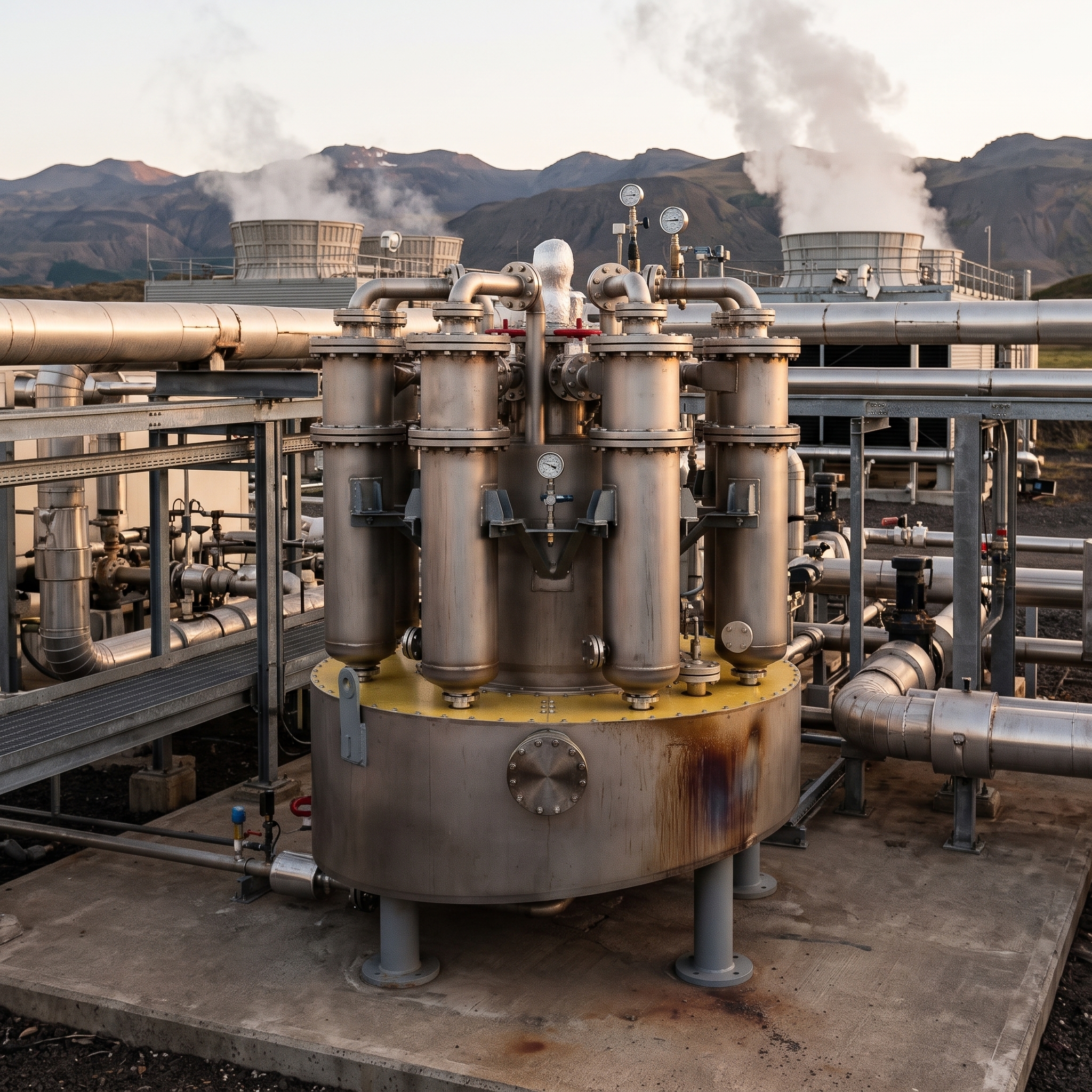
Pressure determines how strongly a Hydro Cyclone Desander can create the swirling flow that separates solids from liquid. For operators, the key is not simply to maximize inlet pressure: the useful operating point depends on pressure stability, flow rate, particle characteristics, and the pressure drop through the unit. Understanding these relationships helps explain changes in sand removal cyclone performance and supports more reliable operating decisions.
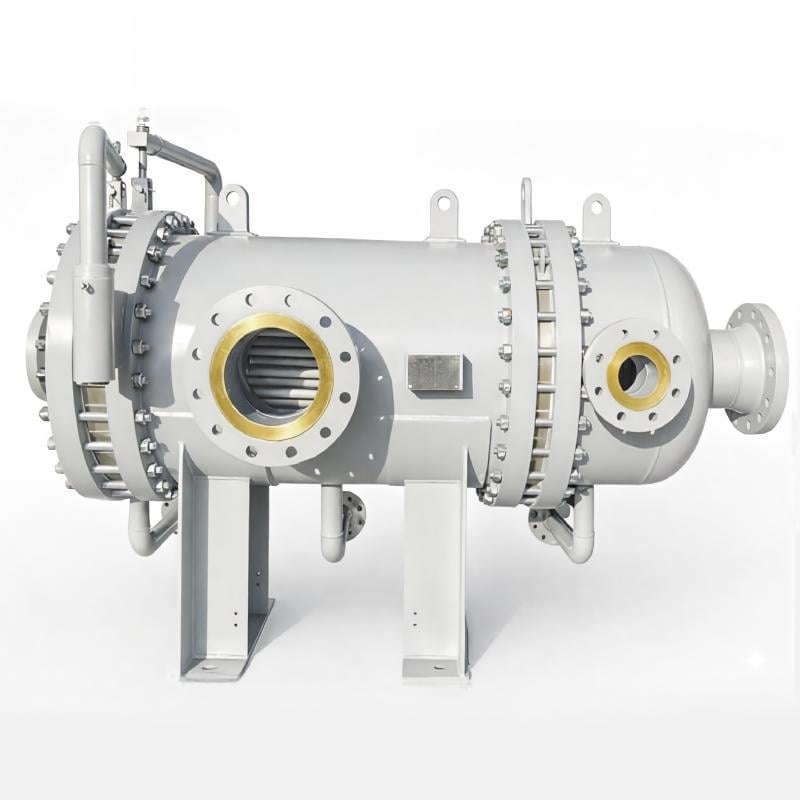
In practice, pressure affects both separation force and the way liquid and solids move through desanding equipment. A hydrocyclone separator needs sufficient, controlled energy to establish a stable vortex, but excessive or fluctuating pressure can complicate operation. The goal is to keep pressure within the equipment’s specified operating range and assess efficiency alongside flow, solids loading, and downstream conditions.
How pressure creates separation inside the cyclone
Inlet pressure establishes the swirling flow
Feed pressure drives the mixture tangentially into the cyclone body, creating a rotating flow. Centrifugal action moves denser particles toward the wall, while the liquid and finer material follow different paths through the unit. In a sand removal cyclone, the pressure available at the inlet therefore influences the strength and consistency of the separation field.
When pressure is too low for the selected flow and geometry, the vortex may weaken and coarse solids can remain in the liquid outlet. The result may be less effective solids removal, particularly when particle sizes are near the equipment’s practical separation limit. Operators should review actual inlet conditions against design guidance for the desanding equipment rather than assume that a pressure reading alone confirms performance.
Pressure drop matters as much as inlet pressure
The difference between inlet and outlet pressure, often called differential pressure, helps describe the energy being used across the unit. A hydrocyclone separator can receive adequate inlet pressure yet perform poorly if restrictions, wear, or an unusual outlet condition alter the intended pressure balance. Readings at relevant points give a more useful picture than one gauge in isolation.
A rising or falling differential may signal a process change rather than a simple need to adjust the feed. For example, blockage at an underflow path can change internal flow, while a downstream restriction can affect outlet conditions. Reviewing the pressure profile helps distinguish these issues before changing settings on a sand removal cyclone or its supporting process.
How pressure changes affect operating efficiency
Low pressure can reduce solids capture
If feed pressure falls below the operating window, the cyclone may not maintain the flow pattern needed to direct sand toward the solids discharge. This can increase carryover into the liquid outlet and place more burden on downstream treatment. In desanding equipment, the impact is most visible when feed pressure falls at the same time as throughput rises or the incoming solids load changes.
Low pressure is not always caused by the cyclone itself. Pump performance, control-valve position, long or undersized piping, and changing well or process conditions can all reduce pressure at the inlet. A hydrocyclone separator should therefore be assessed as part of the complete hydraulic system, with checks made at the unit and at the equipment supplying its feed.
Excess pressure and unstable pressure create different risks
Higher pressure can strengthen the separating flow up to the limits of the design, but more pressure does not guarantee proportionally better results. Excess pressure may raise flow velocity, increase energy demand, and place additional mechanical stress on components. Operators should use the manufacturer’s stated limits and avoid treating a sand removal cyclone as a device that benefits from unrestricted pressure increases.
Fluctuating pressure can be just as disruptive as consistently low pressure. Pulsation or frequent swings may produce variable flow and inconsistent discharge, making sample results difficult to interpret. Stabilizing pumps and controls, then checking the response of the desanding equipment, can help reveal whether efficiency problems are linked to pressure variation or to feed composition.
Practical pressure checks for better performance
Diagnose the full process before adjusting setpoints
Start by comparing inlet, overflow, and underflow conditions with the unit’s normal operating baseline. Record pressure alongside flow rate, solids concentration, and the quality of the treated liquid. For a hydrocyclone separator, this context helps show whether a pressure change coincides with a real separation change or simply reflects a different operating load.
Next, inspect likely causes of altered pressure, including pump condition, valve position, plugged lines, instrument accuracy, and discharge restrictions. Check for wear or deposits that may change the internal flow path. These checks are useful because a sand removal cyclone can show symptoms similar to poor pressure control when the underlying issue is a blocked outlet or a changed feed stream.
Match the operating window to the application
The appropriate pressure range depends on cyclone dimensions, fluid properties, target particle size, and the expected flow. Use the equipment documentation and process design basis to establish acceptable limits, then confirm them under representative operating conditions. Desanding equipment selected for one duty may respond differently when viscosity, temperature, or solids loading changes.
After adjustments, allow the process to stabilize before comparing samples or performance indicators. Change one controllable factor at a time where practical, document the resulting pressure and separation response, and retain a clear operating record. This method makes it easier to identify a repeatable pressure window for the Hydro Cyclone Desander without confusing pressure effects with simultaneous process changes.
FAQ
Does higher inlet pressure always improve separation?
No. Pressure must be sufficient for the design, but excessive pressure can raise energy use and mechanical stress without delivering a matching efficiency gain. Evaluate sand removal cyclone performance within the specified operating range and alongside flow and solids data.
What pressure readings should operators monitor?
Monitor inlet pressure and relevant outlet pressures so differential pressure can be assessed. Trend those readings with operating flow and discharge condition; this gives a hydrocyclone separator assessment more context than a single gauge reading.
Can unstable pressure reduce desanding performance?
Yes. Pressure swings can make flow and solids discharge inconsistent, so investigate pump and control stability before making large setpoint changes. Check desanding equipment under steady, representative conditions to judge the effect clearly.