
 EN



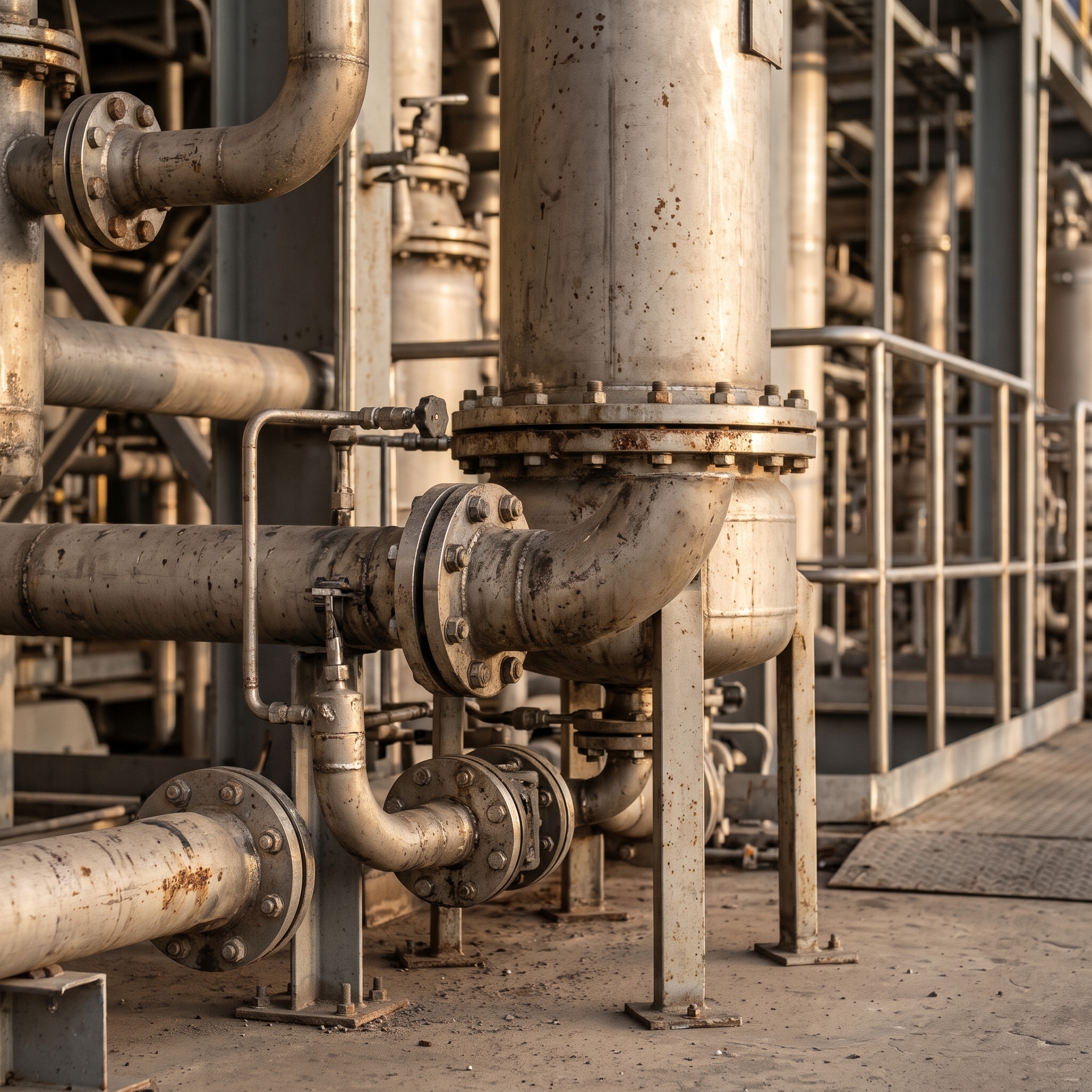
A Hydro Cyclone Desander can handle suspended contamination only within the limits set by particle size, density, flow, and feed conditions. It is designed to separate dense, insoluble solids from a liquid stream, not to remove every type of contaminant or guarantee a fixed outlet quality under all conditions. Understanding those limits starts with the solids entering the unit.
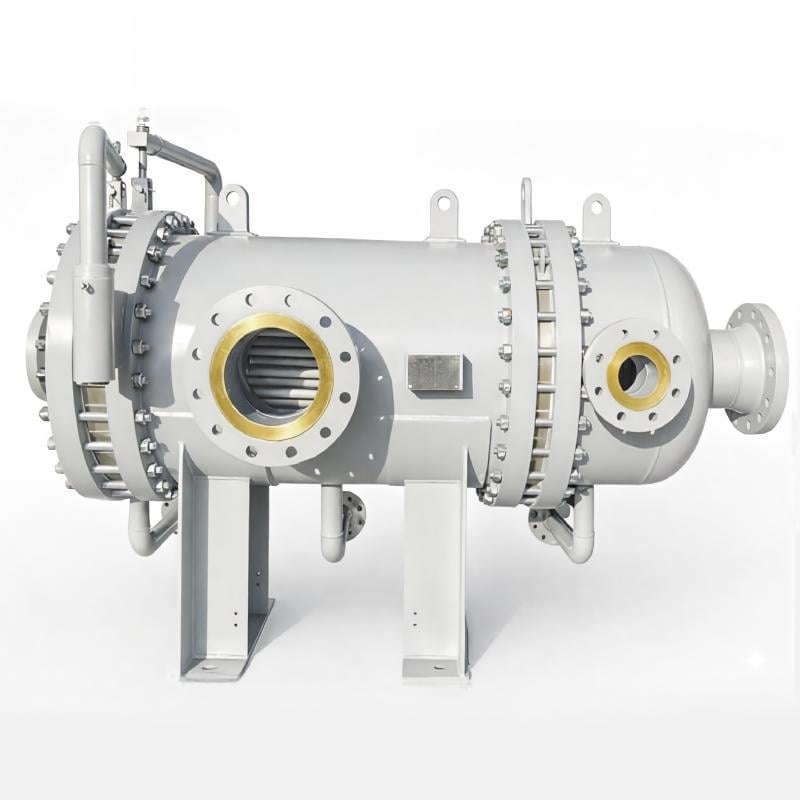
There is no single contamination concentration that defines capacity for every installation. A sand removal cyclone and other desanding equipment are assessed against the feed’s particle-size distribution, solids loading, and required separation result. A hydrocyclone separator may perform differently as fluid properties or operating conditions change, so design data and representative testing matter more than a broad claim of maximum contamination.
How contamination limits are defined
Particle size and cut point
The key measure is often the particle cut size, commonly expressed as a separation size rather than a promise to capture every grain. A sand removal cyclone creates a swirling flow that drives denser particles toward the wall and underflow. Smaller particles have less inertia and may follow the liquid toward the overflow, making their capture less consistent.
Ask for performance information tied to the actual feed, including the expected particle-size distribution and the stated cut point. Desanding equipment should be evaluated on the proportion of solids removed across particle sizes, not just on a single nominal value. A hydrocyclone separator’s result may also be reported through a partition curve, which shows how separation changes from fine to coarse particles.
Solids loading and contamination type
Concentration matters because a high solids load can change flow patterns, increase underflow demand, and raise the chance of blockage or unstable operation. A Hydro Cyclone Desander selected for intermittent sand may not suit a continuous feed carrying much larger amounts of solids. Confirm both normal and peak loading, as well as whether the feed contains occasional slugs.
Contamination must also be identified accurately. Sand, silt, scale, and other dense particles do not behave alike, while dissolved salts and very small colloids are not removed simply because the stream passes through a cyclone. A sand removal cyclone is best considered for separable solid particles; desanding equipment does not replace filtration, chemical treatment, or other processes needed for different contaminants.
Operating conditions that change separation
Flow rate, pressure, and fluid properties
A hydrocyclone separator depends on a suitable pressure drop and stable flow to establish its internal vortex. Too little driving pressure can weaken separation, while flow outside the design range may alter residence time and outlet balance. Specify the expected operating envelope rather than relying on a single design-point value when choosing desanding equipment.
Viscosity and density influence particle movement relative to the liquid. More viscous fluids can make fine-particle separation harder, while the density difference between solids and liquid affects the force driving solids outward. A sand removal cyclone therefore needs process-fluid data alongside particle information; water-based assumptions may not represent a hydrocarbon or variable-composition stream.
Temperature can indirectly affect performance when it changes viscosity or fluid density. Gas entrainment, foaming, and changing flow can also disturb a stable vortex. For a Hydro Cyclone Desander, operating limits should reflect the actual range of pressure, temperature, and flow expected during startup, normal production, and process upsets.
Wear, plugging, and underflow control
Abrasion can alter internal geometry over time, especially when coarse or hard particles are present. Plugging is a separate risk when solids accumulate or the underflow path is restricted. Desanding equipment should be assessed for inspection access, wear monitoring, and a practical method of handling the separated solids.
The underflow setting is part of the separation process, not merely a disposal detail. If it is too restricted, solids may build up; if it is too open, valuable liquid can leave with the reject stream. A hydrocyclone separator must be operated with an outlet arrangement suited to the process, and the sand removal cyclone should be reviewed under realistic discharge conditions.
Maintenance planning should account for feed variability and the consequences of lost separation. Review expected solids volume, inspection intervals, and the signals operators can use to detect changing performance, such as pressure differences or outlet behavior. These checks help distinguish a process upset from gradual wear in desanding equipment.
Assessing fit for a real process stream
Match design data to the required result
Start by defining what acceptable outlet contamination means for the downstream process. Specify particle sizes of concern, the required removal fraction, allowable liquid loss, and whether the target applies continuously or only under typical conditions. A Hydro Cyclone Desander cannot be judged against an undefined request to make a stream clean.
Share representative samples or reliable feed analyses covering solids type, particle sizes, concentration, and fluid properties. Ask that test conditions resemble the expected pressure and flow range. A sand removal cyclone may be suitable for a particular duty while leaving finer material in the liquid, so the result should be compared with the process requirement.
Check how the proposed hydrocyclone separator handles changes in feed and how performance is measured at both outlets. The review should include startup, peak solids events, and normal operation, rather than a best-case test alone. Desanding equipment may need upstream protection or downstream polishing if the required quality extends beyond its effective particle range.
Use testing and monitoring to confirm limits
When feed data are uncertain, pilot or controlled testing can clarify the operating window before full-scale decisions are made. Test samples should reflect realistic particle characteristics, and results should document feed conditions and outlet measurements. A Hydro Cyclone Desander’s practical limit is the point at which performance no longer meets the defined process need.
After commissioning, trend pressure, flow, underflow condition, and solids in the treated stream where measurements are available. A change in these indicators can signal feed variation, blockage, or wear. That evidence lets operators adjust or maintain the unit before poor separation affects downstream equipment, while keeping expectations for the sand removal cyclone tied to observed service.
FAQ
Can a Hydro Cyclone Desander remove all suspended solids?
No. Its effectiveness depends on particle size, density difference, and operating conditions. A hydrocyclone separator is intended for separable solids, and fine or low-density material may remain in the liquid. Confirm the required outlet quality against measured feed data.
Does higher solids concentration always mean poor separation?
Not automatically, but high or fluctuating loading can challenge capacity and underflow handling. Desanding equipment should be specified for both typical and peak conditions, with a plan for solids discharge and monitoring.
What information is needed to estimate contamination limits?
Provide particle-size distribution, solids type and concentration, liquid density and viscosity, flow range, pressure conditions, and the desired removal result. Those inputs help determine whether a sand removal cyclone fits the duty or whether additional treatment is required.