
 EN



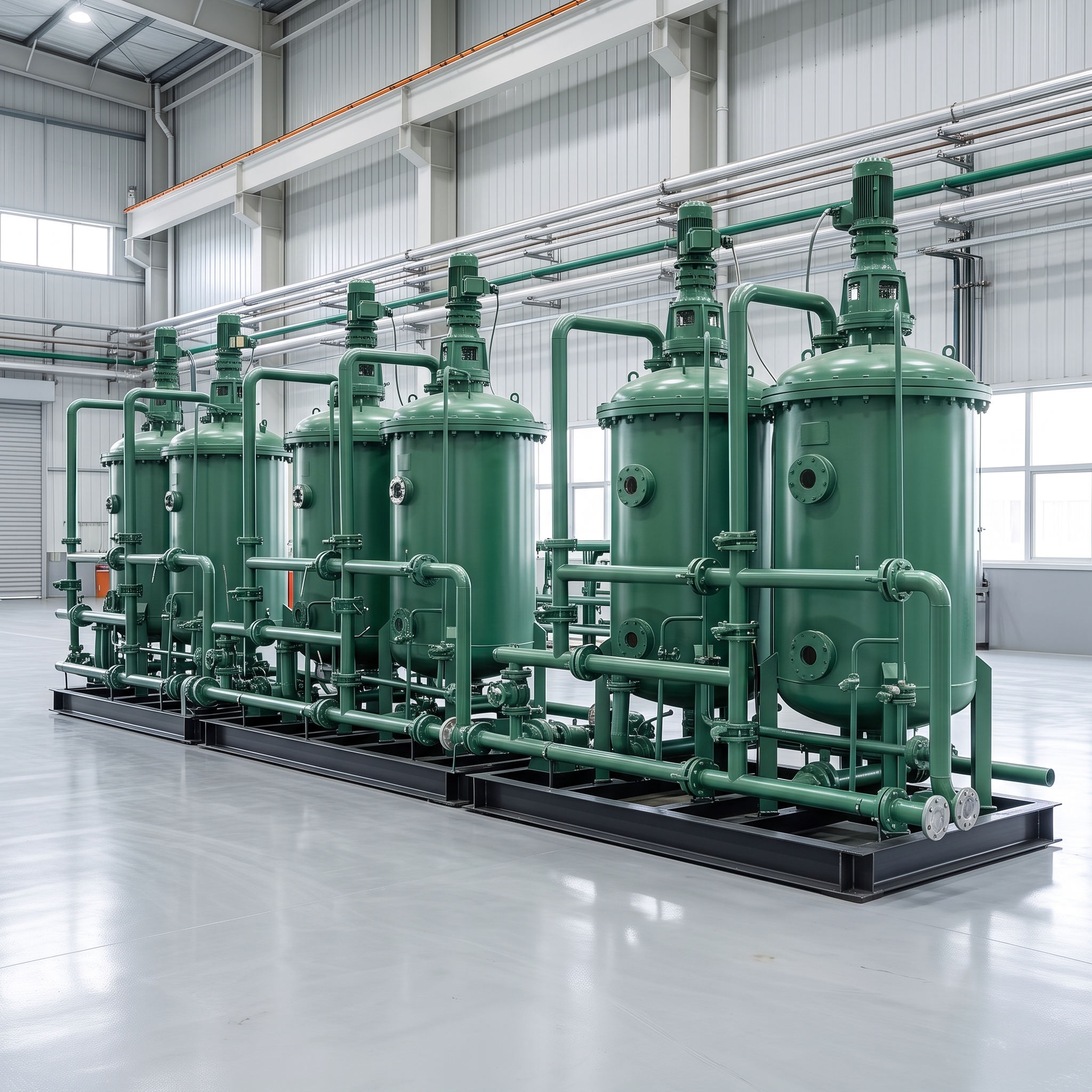
Knowing when to replace media in a Walnut Filters/Skid depends on operating evidence, not a fixed calendar alone. A changeout becomes timely when oil removal declines, pressure drop rises persistently, or cleaning no longer restores performance. For operators using walnut shell filtration systems, recognizing these signals early helps protect downstream treatment and avoid unnecessary media disposal.
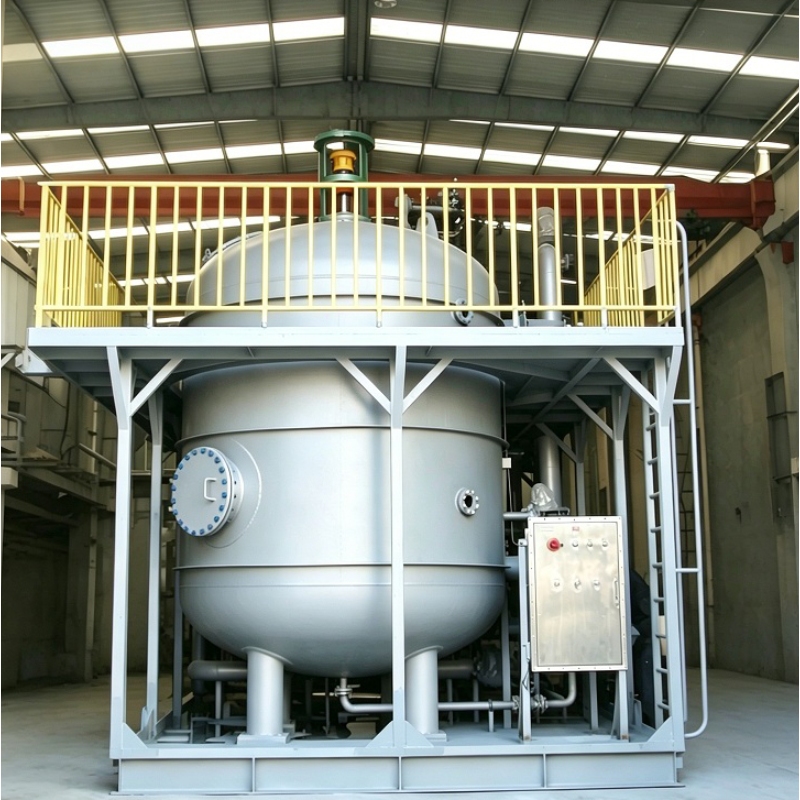
The practical answer is to replace walnut media when repeated operating checks show that backwashing cannot return the unit to its required service range. Walnut filter media replacement should be based on trends, process conditions, and the consequences of a breakthrough. Consistent walnut filtration equipment maintenance gives teams the records needed to distinguish exhausted media from a temporary upset.
Read operating signals before setting a changeout
Use pressure drop as a trend, not a single alarm
A rising differential pressure can indicate accumulated solids, compacted beds, or incomplete backwashing. Record inlet and outlet pressure at comparable flow rates, then compare the trend across operating cycles. Walnut shell filtration systems may show a short-lived pressure increase during changing feed conditions, so do not schedule walnut filter media replacement based on one reading. Check whether normal backwash restores the baseline.
If pressure remains elevated after the established cleaning sequence, investigate the backwash flow, duration, valves, and discharge path before changing the bed. A restriction outside the vessel can imitate media loading. Good walnut filtration equipment maintenance verifies instruments and confirms that the unit receives its intended cleaning conditions. Replace media only when these checks show that the bed itself has lost recoverable capacity.
Track effluent quality and oil breakthrough
The clearest replacement signal is persistent deterioration in treated-water quality under stable feed and flow conditions. Compare oil-in-water results with the site target and look for breakthrough between sampling points. Walnut shell filtration systems should be evaluated against their actual duty, not an assumed removal figure. When walnut filter media replacement is under review, confirm sampling technique and analyzer status first.
A brief quality excursion after a process upset may reflect an unusual oil load rather than worn media. Review upstream separation, flow surges, temperature, and emulsion behavior alongside effluent data. Walnut filtration equipment maintenance includes documenting these operating events, while repeated breakthrough after feed conditions normalize supports a bed changeout decision. This approach avoids replacing serviceable media because of a transient disturbance.
Confirm whether cleaning can restore the bed
Compare performance before and after backwash
Backwashing is a useful diagnostic as well as a routine task. Record pressure drop and effluent quality before cleaning, then check both after the bed returns to service. If walnut shell filtration systems recover their normal flow and treatment response, media replacement may not yet be necessary. If improvement is small or short-lived, walnut filter media replacement becomes a more credible option.
Look for uneven cleaning, channeling, or media carryover during the backwash cycle. Incomplete expansion can leave solids trapped, while excessive force can remove usable particles from the vessel. Walnut filtration equipment maintenance should include checks of wash-water availability, drain performance, and operating sequence. Correcting a backwash fault first can extend useful service without masking a genuinely depleted bed.
Separate media wear from process and equipment faults
A bed may lose effectiveness because of attrition, contamination, or changes in particle size distribution. Yet similar symptoms can result from a damaged internal, bypass leakage, a faulty valve, or an incorrect flow reading. Inspect the vessel and compare conditions across operating periods before deciding on walnut filter media replacement. Walnut shell filtration systems need a diagnosis tied to process evidence, not assumption.
Review whether feed composition, oil loading, solids concentration, or throughput has changed since commissioning or the last media change. A higher duty can shorten the interval between cleanings without proving that media is spent. Walnut filtration equipment maintenance records help identify whether deterioration tracks process variation or persists across comparable conditions. If the system fault is corrected and poor treatment remains, plan a controlled changeout.
Make the replacement decision operationally sound
Set site-specific replacement triggers
Define practical triggers using the limits that matter at the facility: sustained pressure drop, repeated post-backwash recovery failure, or effluent quality outside the required range. The trigger should specify how many readings or cycles confirm a trend and who reviews it. Walnut shell filtration systems differ by feed and duty, so a universal interval is rarely useful. Walnut filter media replacement should follow documented site criteria.
Use a combined decision rather than relying on one indicator. For example, an elevated pressure trend plus poor effluent after a verified backwash is stronger evidence than either observation alone. Include process stability, sampling confidence, and downstream impact in the review. Walnut filtration equipment maintenance supports this decision by keeping service logs, backwash details, and laboratory results together for timely comparison.
Plan changeout around safety and restart requirements
Once replacement is justified, coordinate isolation, depressurization, drainage, waste handling, and vessel access under the site's approved procedures. Confirm the replacement media specification and loading instructions against the equipment documentation. Walnut filter media replacement is not complete when old media is removed; teams should check internals, seals, and distribution components before reloading walnut shell filtration systems.
After loading, follow the required wetting, settling, and initial backwash steps before returning the vessel to normal service. Establish baseline pressure and water-quality readings after stabilization, then compare them with the triggers that led to the changeout. Walnut filtration equipment maintenance should capture media quantity, date, operating context, and commissioning observations so future replacement decisions become more evidence-based.
FAQ
Should media be replaced on a fixed schedule?
A calendar interval can support planning, but it should not be the sole trigger. Compare pressure drop, backwash recovery, feed conditions, and treated-water results over time. Walnut shell filtration systems operate under different loads, so walnut filter media replacement is best scheduled from site data and confirmed symptoms.
Does high pressure drop always mean the media is spent?
No. Solids loading, incomplete backwashing, blocked drains, or instrument problems can also raise pressure drop. Check these causes and compare readings after a verified cleaning cycle. Walnut filtration equipment maintenance helps distinguish a correctable operating issue from a bed that no longer recovers adequately.
What records help justify a changeout?
Keep comparable pressure readings, backwash records, flow data, feed conditions, and treated-water results. Note process upsets and any repairs so they are not mistaken for media failure. These records make walnut filter media replacement decisions clearer and provide a useful baseline for future walnut filtration equipment maintenance.