
 EN



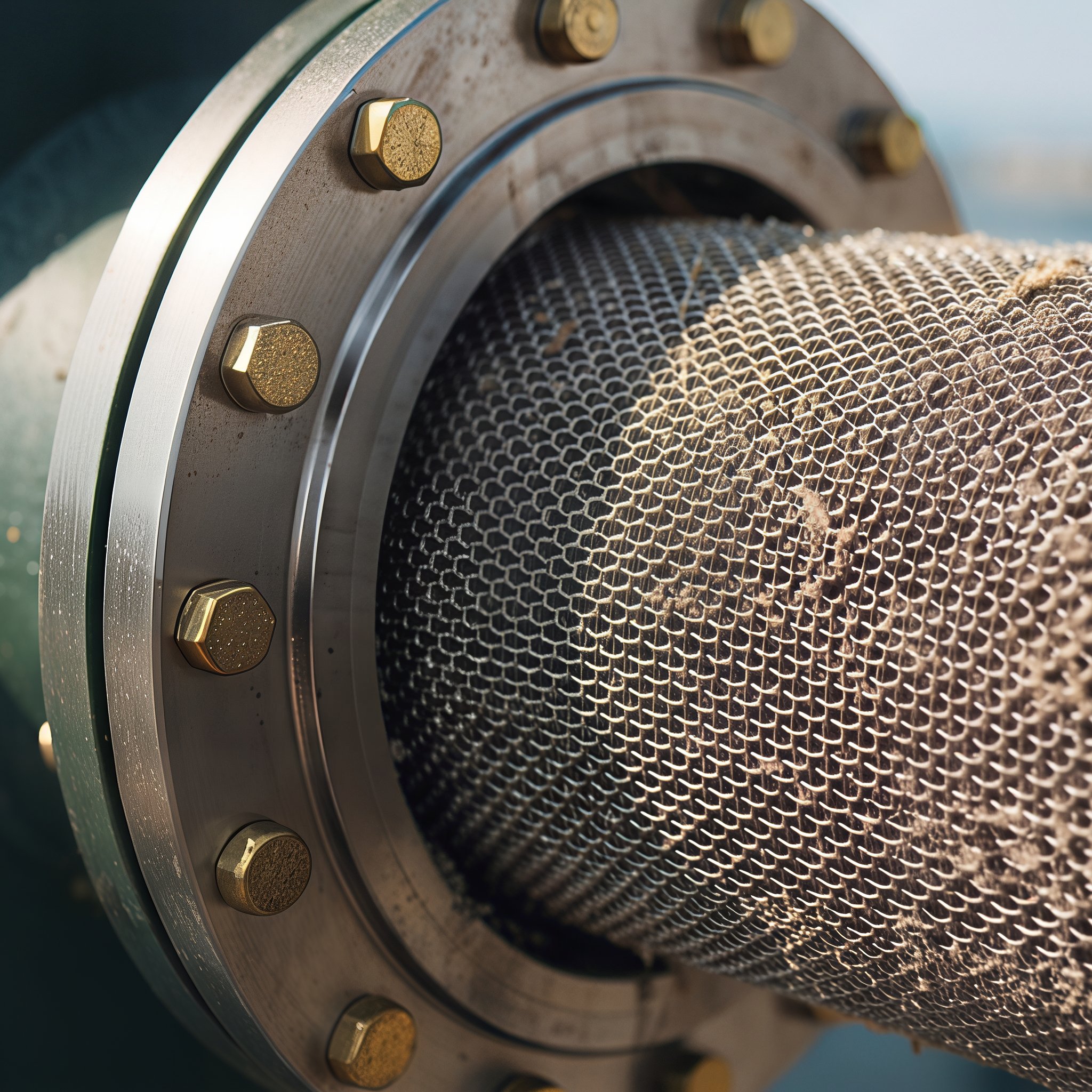
A Seawater Filter can handle a wide range of incoming contaminants, but its practical limit depends on particle size, concentration, flow, and the filtration stage. For desalination operators, a desalination filter cartridge may capture suspended solids and reduce the load on downstream equipment, while a marine water filtration system must also account for changing sea conditions. Saltwater intake filtration is therefore a treatment sequence, not a single universal barrier.
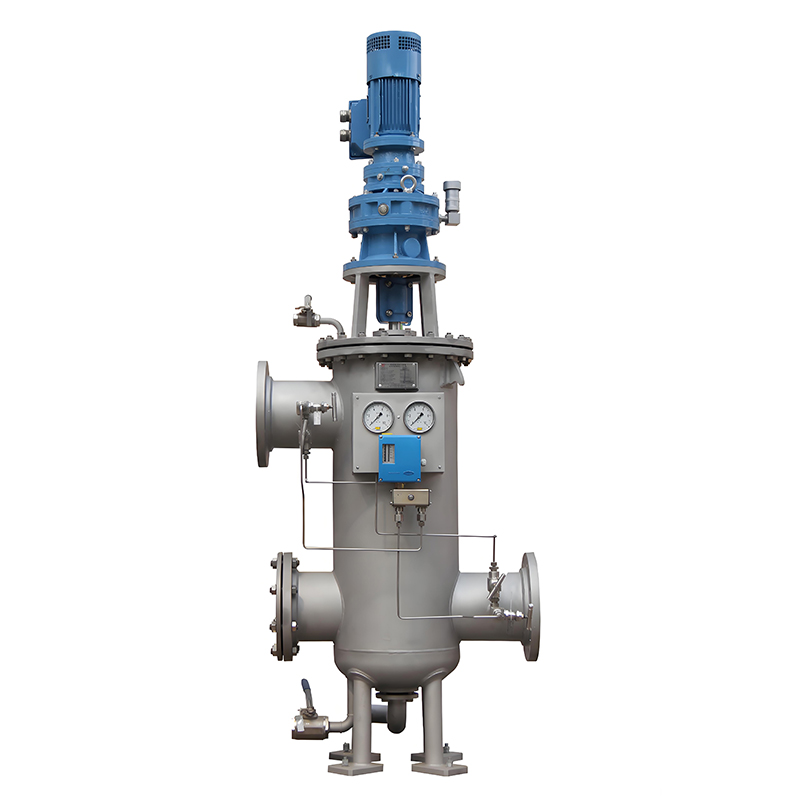
The useful question is not simply how dirty the water looks, but which contaminants the filter is designed to retain and how quickly they accumulate. A desalination filter cartridge has a defined particle-retention rating and dirt-holding capacity; a marine water filtration system must be assessed against its full operating conditions. Effective saltwater intake filtration protects later treatment stages only when the selected equipment matches the actual feedwater.
Contaminant types determine filtration limits
Suspended solids and particle loading
Sand, silt, rust flakes, shell fragments, and other suspended solids are the contaminants most directly managed by mechanical filtration. A desalination filter cartridge can retain particles at or above its specified rating, but that rating does not mean every smaller particle disappears. For a marine water filtration system, the distinction between nominal and absolute ratings matters: nominal describes a typical retention level, while absolute indicates a more stringent defined capture condition.
The concentration of solids matters as much as particle size. A sudden sediment plume can load a desalination filter cartridge quickly, raise differential pressure, and shorten the interval between cleaning or replacement. Saltwater intake filtration should therefore consider seasonal turbidity, storms, dredging, and intake location, not just a normal-day sample. A Seawater Filter that performs adequately in clear water may need a different arrangement when the feed contains heavy or fluctuating solids.
Organic material and biological growth
Seawater also carries algae, plankton, organic debris, and microorganisms. A marine water filtration system can remove some organisms and organic particles when they are larger than the selected filtration threshold, but mechanical filtration does not necessarily kill microorganisms or remove dissolved organic compounds. A desalination filter cartridge is not a substitute for disinfection or a separately specified biological treatment step.
Biological growth can create a sticky deposit that traps other material and blocks a filter surface. This makes saltwater intake filtration sensitive to temperature, nutrient levels, stagnation, and intake design. A marine water filtration system exposed to seasonal algal blooms may need monitoring and cleaning plans that respond to rapidly changing loading. The filter’s stated rating alone cannot predict how long it will operate before pressure loss or maintenance becomes significant.
Operating conditions shape actual capacity
Flow, pressure, and dirt-holding capacity
A filter’s contamination capacity is not a single universal number. It depends on the filter area and media, the target particle size, incoming solids concentration, and the flow rate through the unit. A desalination filter cartridge may reach its service limit when differential pressure reaches the equipment maker’s specified threshold, even if water still passes through it. In a marine water filtration system, operators should monitor both flow and pressure rather than judge performance by appearance alone.
Higher flow can increase pressure loss and move particles through a filter that is not sized for the duty. Saltwater intake filtration design should use expected peak demand as well as average demand, with allowance for feedwater variation. A Seawater Filter selected for the actual flow range is more likely to provide predictable protection than one chosen only by connection size. Confirm operating pressure, temperature, materials compatibility, and cleaning limits before finalizing the selection.
Continuous backwashing and maintenance signals
Automatic backwashing can help remove accumulated solids from reusable filter media, supporting ongoing operation when the incoming load varies. It does not expand the particle-retention rating or remove dissolved salts, and performance depends on the media, control settings, and available backwash conditions. A marine water filtration system using backwashing still needs inspection, pressure monitoring, and a plan for periods when contamination rises sharply.
For a desalination filter cartridge, replacement or cleaning criteria should follow the filter specification and process requirements. Saltwater intake filtration operators can trend differential pressure, flow, backwash frequency, and downstream water quality to identify changes early. If a unit backwashes increasingly often or fails to recover its normal pressure drop, the cause may be excessive solids, biological fouling, unsuitable settings, or a maintenance issue rather than a simple need to increase cleaning frequency.
Set expectations for pretreatment and selection
Match the filter to the downstream process
Reverse osmosis membranes and other desalination stages have their own feedwater requirements. A Seawater Filter can reduce suspended material before those stages, but it cannot by itself remove dissolved salts or guarantee membrane-ready water. A desalination filter cartridge should be specified as one part of a treatment train, with filtration ratings and operating limits aligned to the downstream equipment’s documented requirements.
A marine water filtration system may combine coarse screening, finer filtration, and additional treatment according to the source and intended use. Saltwater intake filtration for a coastal plant facing sediment pulses will differ from an installation supplied by relatively stable open water. Review representative water analyses and account for unusual events, since a single sample may not show the maximum solids or biological loading the system will encounter.
Use field data to define acceptable contamination
Before selecting a filter, document particle-size distribution where available, turbidity variation, operating flow, and the consequences of a downstream upset. A desalination filter cartridge should have a clear retention specification and a practical maintenance threshold. For a marine water filtration system, confirm how the equipment responds when feed conditions exceed normal design assumptions, including whether operators can isolate, clean, or safely bypass the unit.
The best-defined limit is the one tied to a measurable operating endpoint, such as pressure loss, required downstream quality, or a scheduled service condition. Saltwater intake filtration records can show whether cleaning intervals match actual loading and reveal recurring seasonal patterns. Use those records to adjust operating practice or pretreatment design; do not assume that a filter can handle an unlimited contamination load simply because it continues to pass water.
FAQ
Can a Seawater Filter remove dissolved salt?
No. A mechanical Seawater Filter captures targeted suspended particles, not dissolved salt. A desalination filter cartridge may protect later treatment equipment from solids, but salt removal requires a separate desalination process. Include that distinction when defining feedwater expectations for a marine water filtration system.
How do operators know when a filter is overloaded?
Follow the equipment’s specified differential-pressure and flow limits, and track changes in cleaning frequency or downstream quality. In saltwater intake filtration, a desalination filter cartridge may need attention sooner during a sediment event. A marine water filtration system should have monitoring and maintenance procedures that reflect those operating conditions.
Does backwashing make a filter suitable for any contamination level?
No. Backwashing can remove some retained solids from compatible media, but it does not change the filter rating or eliminate dissolved contaminants. Saltwater intake filtration still depends on correct sizing and realistic loading assumptions. A desalination filter cartridge or backwashing unit must be selected for the expected feed, monitored in service, and supported by appropriate pretreatment when contamination exceeds its design range.