
 EN



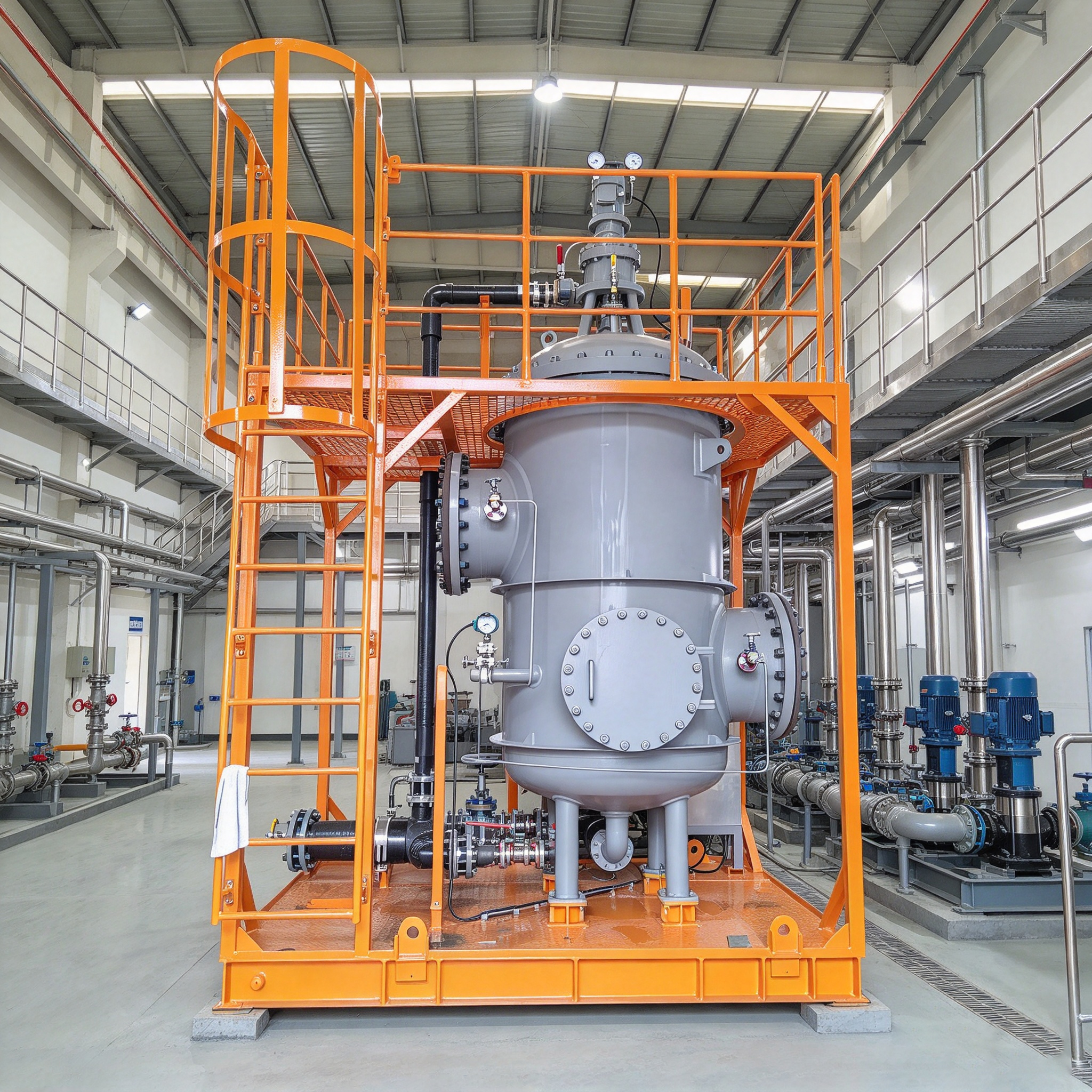
A Multi-Core Backwash Filter removes suspended solids from process water and cleans its filter elements by reversing flow when they become loaded. Understanding this sequence helps engineers assess how the unit fits a plant’s flow rate, contaminant profile, and operating schedule. In a backwash filtration system, normal filtration and cleaning are coordinated so particles leave through a waste outlet rather than remaining trapped in the vessel.
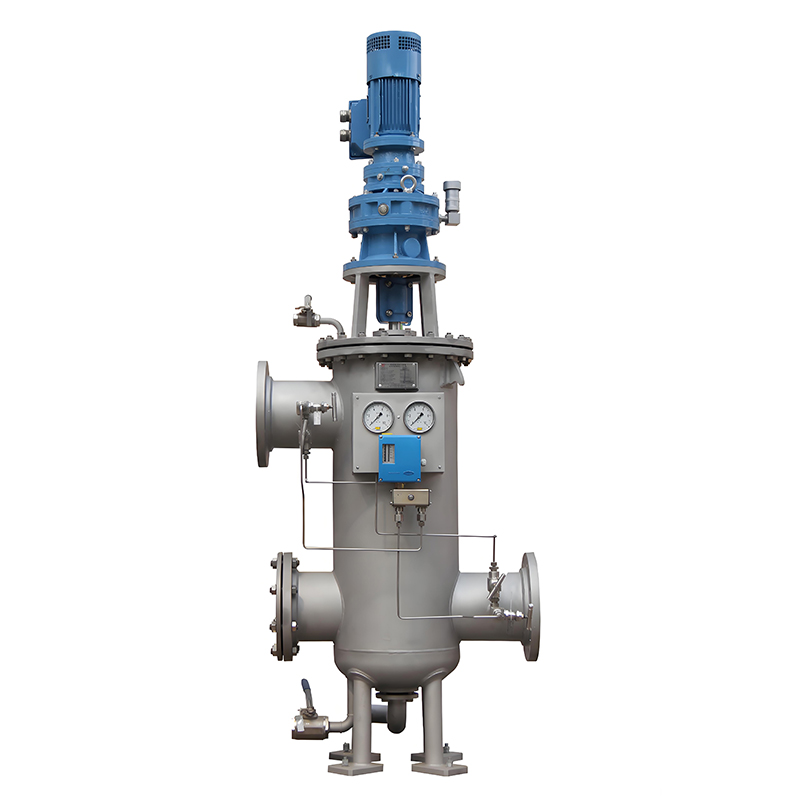
The key is that filtration does not simply stop when dirt accumulates. A pressure or time signal can initiate an automatic filter cleaning mechanism, directing a controlled reverse flow through selected filter cores. Where multi-stage filter media is used, the layers help capture particles across different sizes, while the backwash sequence restores available capacity without requiring routine manual element removal.
Filtration During Normal Operation
Flow through the filter vessel
During normal operation, incoming liquid enters the vessel and is distributed across the filter cores. The cores retain suspended particles as clarified liquid passes through to the outlet. This backwash filtration system relies on a sealed flow path, correctly installed elements, and pressure suited to the process; it does not make dissolved substances disappear. Operators should therefore confirm that the target contaminant is particulate and compatible with the selected filtration arrangement.
A multi-core design places several filtering elements in one housing, allowing the flow to be shared rather than concentrated on a single element. The actual result depends on core count, element area, liquid properties, and solids loading. When multi-stage filter media is selected, each layer can contribute to particle capture, but the media configuration must reflect the required outlet quality and the particles expected in the feed.
Particle capture and rising resistance
As particles build on the filtering surfaces, the available flow paths narrow and resistance increases. A differential pressure reading can provide a practical indication of this loading, while a timer may be used where operating patterns are predictable. The automatic filter cleaning mechanism needs a suitable trigger, because cleaning too early wastes rinse water and cleaning too late can restrict flow or affect downstream equipment.
The operating limit should be set with the process owner’s acceptable pressure drop and flow requirements in mind. A backwash filtration system is not defined by the filter alone: instrumentation, valves, controller settings, and a reliable drain route all affect how it performs. In a multi-core unit, the control sequence must also account for how the cores are isolated or cleaned while the remaining filtration capacity is used.
The Backwash Cycle and Its Controls
Triggering and reversing flow
When the programmed pressure difference or elapsed time reaches its set point, the controller starts the cleaning sequence. Valves change position so that a portion of filtered liquid, or another approved wash source, moves backward through a core. This automatic filter cleaning mechanism loosens collected solids and carries them toward the drain. The exact valve order and wash duration depend on equipment design and the conditions specified for the installation.
In a backwash filtration system, the reverse flow must be strong enough to dislodge deposits but controlled to avoid disrupting the process. The controller may clean cores sequentially, keeping other cores online during each step. That arrangement can help maintain supply, although available output may temporarily change. Engineers should verify the sequence against peak demand, the wash-water source, and the permitted discharge route.
Discharging solids and returning to service
Once loosened particles are swept from a core, the dirty wash stream exits through a dedicated waste connection. The valve then returns to its filtration position, and the cleaned core resumes service. This automatic filter cleaning mechanism depends on clear discharge piping; a restricted drain can limit cleaning effectiveness or create unwanted backpressure. The system should also be checked for leakage and for reliable transitions between operating states.
A multi-stage filter media arrangement may collect different particle fractions at different depths or surfaces. During backwashing, however, media and element construction must tolerate the specified reverse flow and repeated cycles. Operators should follow the equipment instructions rather than assuming every layer cleans identically. Reviewing wash duration, trigger frequency, and waste appearance can help identify whether settings match the actual solids burden.
Operating Factors That Shape Results
Matching the unit to process conditions
Selection starts with the liquid, suspended-solids concentration, particle characteristics, temperature, viscosity, and required flow. These variables influence pressure loss and cleaning demand. A Multi-Core Backwash Filter should be assessed against the full operating range, not only average production. A backwash filtration system sized without allowance for changing loads may cycle too often or struggle to sustain the required flow when feed conditions worsen.
The intended capture level also matters. Multi-stage filter media can be configured to support different particle-retention needs, but the selected arrangement must balance outlet requirements with resistance and cleaning behavior. Confirm the element material’s compatibility with the process liquid and wash conditions. Clear specification of inlet quality, desired outlet quality, and allowable pressure drop gives suppliers and plant teams a shared basis for equipment review.
Commissioning, monitoring, and maintenance
Commissioning should confirm sensor readings, valve sequencing, controller logic, and drain capacity before the filter is relied on in production. Record a clean-system pressure baseline, then compare it with readings as loading develops. The automatic filter cleaning mechanism should start at the intended trigger and complete each step without unexpected alarms. Test both automatic operation and any approved manual control procedure during commissioning.
Routine monitoring helps distinguish normal loading from a process change or mechanical fault. Repeatedly short intervals between washes may indicate higher solids, a blocked drain, incorrect sensing, or an unsuitable trigger setting. A Multi-Core Backwash Filter still needs inspection of seals, valves, sensors, and elements according to the service plan. The backwash filtration system should be assessed as a complete process loop, including waste handling.
FAQ
Does backwashing interrupt filtration?
It depends on the design and control sequence. Some units clean cores one at a time so other cores continue filtering, though available capacity can change during cleaning. A backwash filtration system should be checked against the site’s minimum flow needs. Confirm the sequence, wash-water supply, and process demand before relying on uninterrupted output.
What signals a need for backwashing?
Common triggers include a preset differential pressure or elapsed operating time. The appropriate setting depends on feed solids and the process’s allowable pressure drop. An automatic filter cleaning mechanism should be tested during commissioning, with sensor readings checked against actual conditions. Unusually frequent cycles can signal changed feed quality or a control issue.
Can the filter remove dissolved contaminants?
No. A Multi-Core Backwash Filter is intended to capture suspended particles, not dissolved chemicals or salts. Multi-stage filter media can support particle separation when correctly specified, but dissolved contaminants generally require a different treatment process. Define the contaminant and required outlet quality before choosing a filtration method or configuring the equipment.