
 EN



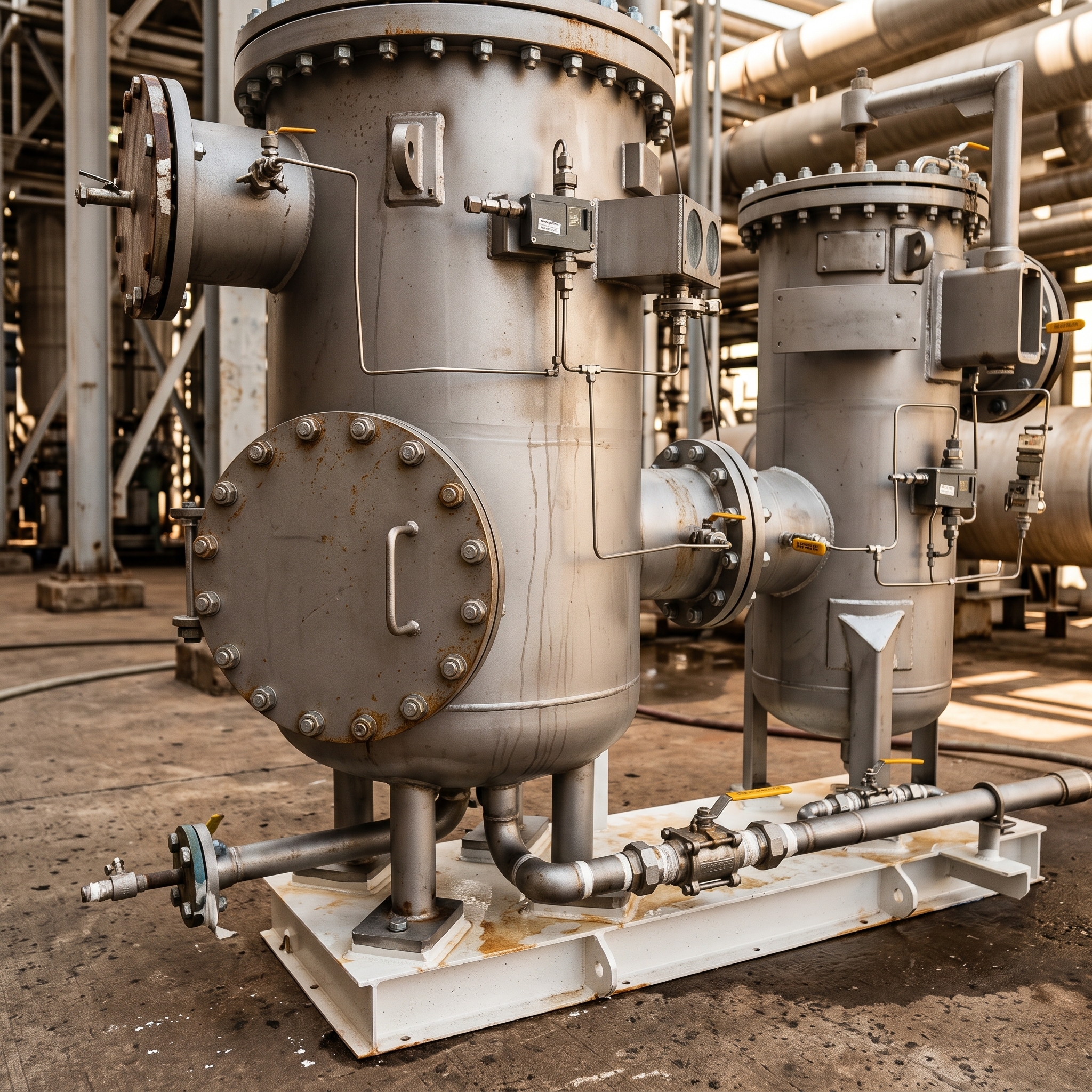
A Seawater Filter supports industries that draw ocean water for production, cooling, treatment, or onboard use. Desalination plants, coastal utilities, vessels, and industrial facilities all need to manage suspended solids before water reaches sensitive equipment. Their requirements differ according to flow, water quality, and operating conditions.
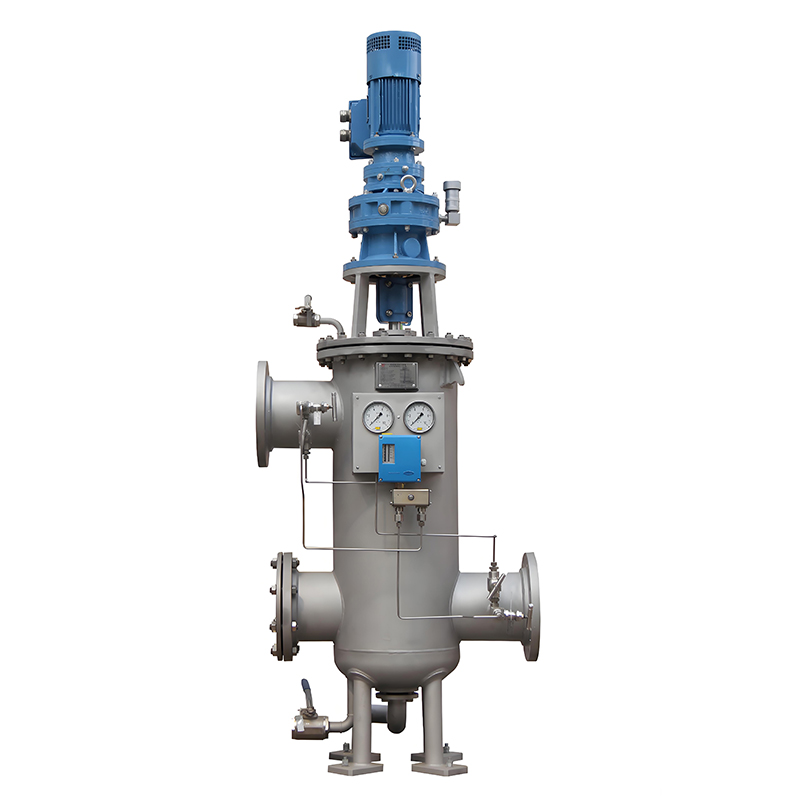
The main industries using seawater filtration are those with reliable access to the coast and a practical reason to process seawater. A desalination filter cartridge may protect downstream treatment stages, while a marine water filtration system may serve a vessel or offshore installation. Saltwater intake filtration also helps reduce debris entering pumps and process lines.
Water Treatment and Desalination Industries
Municipal and commercial desalination
Desalination facilities convert seawater into water suitable for municipal, commercial, or industrial use. At the intake, a desalination filter cartridge can capture suspended particles before pretreatment and membrane stages. The specific filtration arrangement depends on source conditions, required throughput, and the sensitivity of downstream equipment.
A marine water filtration system is relevant when seawater is drawn from a coastal source or handled by a floating treatment unit. Operators assess intake location, seasonal changes, and the solids that may enter the flow. Saltwater intake filtration is planned as part of a treatment train, not as a substitute for later purification.
Screening and filtration decisions also affect maintenance planning. If sand, organic matter, or other debris varies over time, a desalination filter cartridge must suit the expected loading and replacement routine. A marine water filtration system needs accessible inspection points, while saltwater intake filtration should account for changes in local water conditions.
Industrial water supply and reuse
Manufacturing sites near the coast may use desalinated seawater where freshwater access is limited or where a process requires a managed supply. A desalination filter cartridge can help protect pumps and later treatment components. The plant team must define water quality requirements before choosing the filtration stages and operating parameters.
Some facilities use seawater in utility systems or as an input to further treatment, rather than as a finished product. A marine water filtration system can fit coastal process operations when equipment is designed for saline exposure. Saltwater intake filtration helps limit the entry of solids that could interfere with heat exchange or treatment processes.
Industrial users should map filtration to the full process path. That means identifying where raw water enters, which components are vulnerable, and how often operators can inspect them. A desalination filter cartridge is only one possible stage; a marine water filtration system and saltwater intake filtration may need to work together.
Marine, Offshore, and Port Operations
Ships and commercial vessels
Ships draw or process seawater for onboard services, cooling, and other applications. A marine water filtration system must fit available space, vessel operating patterns, and maintenance access. Saltwater intake filtration can limit debris reaching pumps, valves, and connected equipment, while system design must account for changing sea conditions.
Onboard treatment needs vary by vessel type and intended water use. A desalination filter cartridge may serve as part of a freshwater production process, with the filtration stage selected to suit the equipment that follows. A marine water filtration system also needs materials and service intervals appropriate to continuous exposure to saline water.
For intake lines, crews consider the location of the seawater opening and the possibility of sediment or organic material. Saltwater intake filtration can reduce the burden on downstream components, but it does not remove dissolved salts. A desalination filter cartridge remains part of a broader treatment setup where freshwater is the objective.
Offshore platforms and port facilities
Offshore platforms use seawater in utility and process applications, including equipment cooling and treatment systems. A marine water filtration system is selected around flow demand, access for servicing, and the consequences of interruption. Saltwater intake filtration is especially relevant where a shared intake supplies multiple systems.
Ports and coastal terminals may also use seawater for operational services or industrial processes. Their filtration needs can shift with vessel activity, nearby sediment movement, and intake configuration. A desalination filter cartridge may be specified where treatment continues toward freshwater production, while saltwater intake filtration protects the initial flow path.
In offshore settings, maintenance access can be more restricted than at a shore-based plant. A marine water filtration system should therefore be evaluated for inspection and cleaning requirements alongside its filtration role. Saltwater intake filtration must also account for debris loads that may fluctuate with weather, location, or operating conditions.
Coastal Energy and Process Industries
Power generation and cooling
Coastal power facilities may use seawater as a cooling source, making intake protection important for pumps and heat-transfer equipment. A desalination filter cartridge is relevant when a separate treatment stream produces process or service water. Saltwater intake filtration helps address suspended matter before it enters connected cooling infrastructure.
Filtration requirements depend on the intake design and the equipment tolerances, not simply on the facility’s industry label. A marine water filtration system can serve a plant drawing from the sea, while operators set inspection routines according to debris accumulation and flow conditions. Each stage should have a clearly defined purpose.
Power operators need to consider both normal operation and maintenance windows. A desalination filter cartridge may require a planned replacement schedule, while saltwater intake filtration may need cleaning or backwashing based on loading. The selected arrangement should match how the facility monitors pressure, flow, and water quality.
Aquaculture and coastal processing
Aquaculture facilities use seawater to maintain suitable conditions for fish or shellfish production. A marine water filtration system can help manage incoming suspended solids, with filtration selected around the species, production process, and water exchange needs. Saltwater intake filtration should be balanced with the biological requirements of the operation.
Coastal food and materials processors may also draw seawater for specific operations, subject to applicable water-quality and process controls. A desalination filter cartridge can form part of treatment where a low-salinity supply is needed. A marine water filtration system is instead configured around the intended use of the seawater itself.
Across these industries, the right system starts with a defined application rather than a generic equipment label. Teams should review source-water conditions, required flow, acceptable solids, corrosion exposure, and service access. Saltwater intake filtration, a marine water filtration system, or a desalination filter cartridge can then be assessed for its specific role.
FAQ
Which industries use seawater filtration most often?
Desalination, marine transport, offshore operations, coastal power generation, aquaculture, and some process industries use seawater filtration. A desalination filter cartridge is used where treatment requires particle control before later stages, while actual system needs depend on the application and water source.
Does intake filtration make seawater fresh?
No. Saltwater intake filtration is intended to manage suspended material entering a system; it does not remove dissolved salts. Freshwater production requires additional treatment, and a marine water filtration system may be only one part of that process.
How should a facility choose a system?
Start by defining the intended use, source-water conditions, required flow, downstream equipment, and maintenance access. A desalination filter cartridge, marine water filtration system, or saltwater intake filtration stage should be selected for its specific function within the complete process.