
 EN



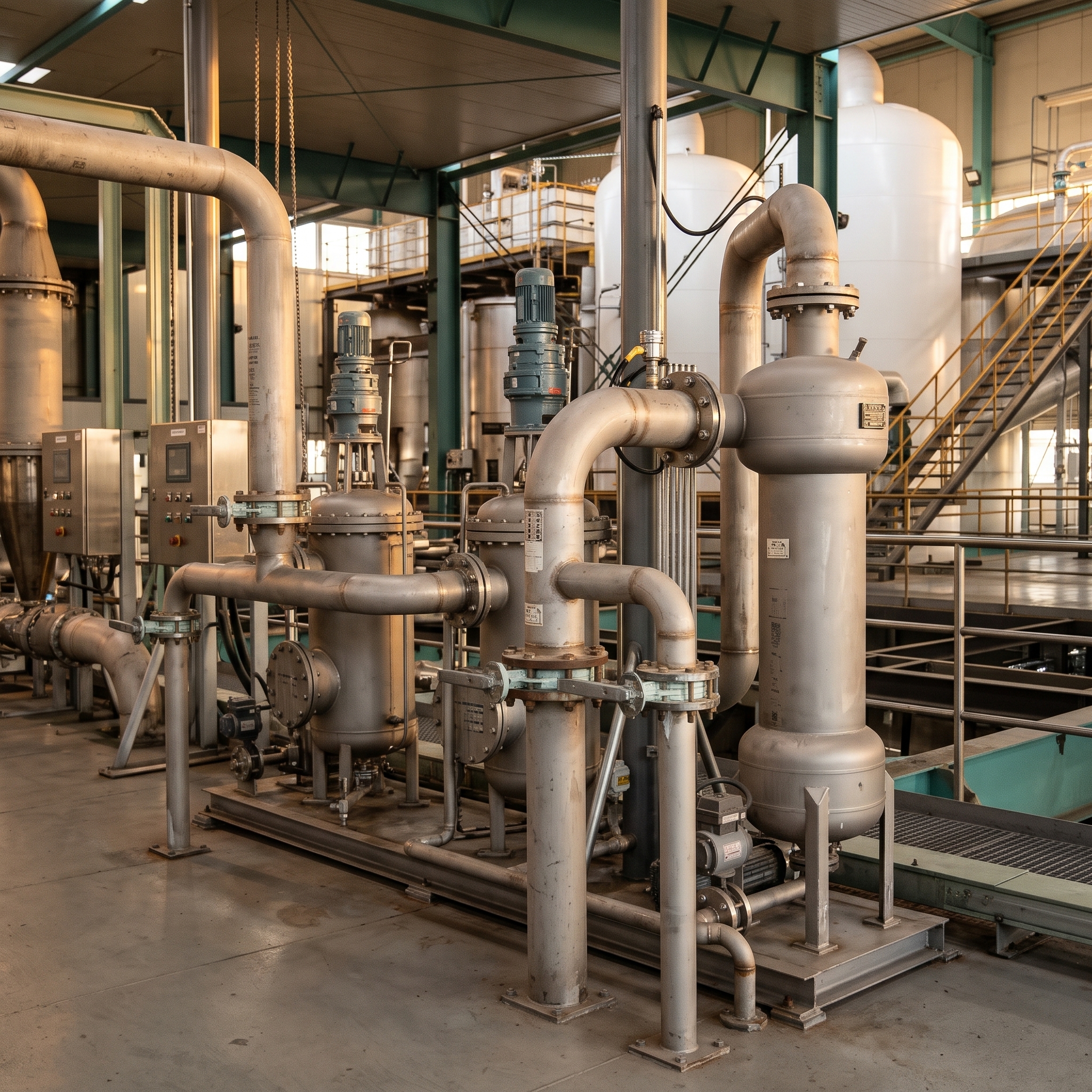
A Hydro Cyclone Desander separates dense sand and other solids from a flowing liquid by using rotational motion rather than a moving filter element. In process systems, a sand removal cyclone can reduce the solids load reaching downstream equipment, while suitable desanding equipment helps manage abrasive particles before they accumulate or cause wear. Understanding its operating principle makes it easier to judge where the technology fits.
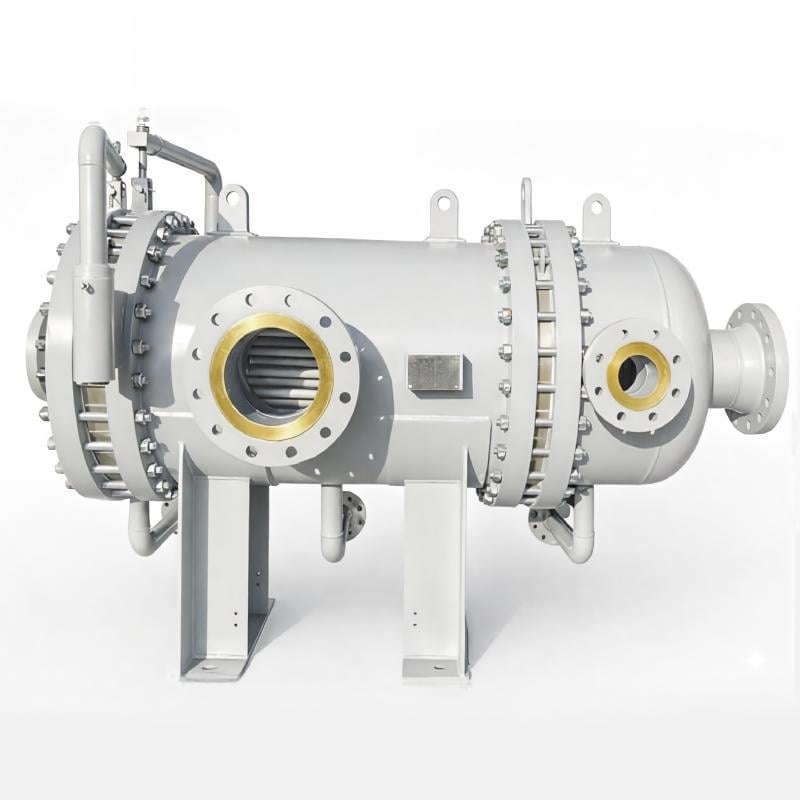
The basic idea is straightforward: feed enters a shaped chamber under pressure, spins, and separates according to particle density and size. A hydrocyclone separator creates this centrifugal flow without a rotating shaft. The result depends on the feed conditions, geometry, and solids characteristics, so a sand removal cyclone is not simply a universal screen. The sections below explain its parts, flow path, and practical operating considerations.
What the Desander Is Designed to Separate
Core components and separation purpose
A typical Hydro Cyclone Desander has a tangential inlet, a cylindrical upper chamber, a tapered lower section, and two outlets. Feed entering through the inlet begins to rotate. In oil and gas or industrial water service, a sand removal cyclone uses this swirl to direct denser particles outward and downward, while the lighter carrier fluid follows a different path.
The lower outlet, often called the underflow, carries concentrated solids away; the upper overflow returns clarified liquid to the process. A hydrocyclone separator has no filter cloth to blind, but it still needs a controlled discharge path. Operators therefore assess desanding equipment as a complete flow arrangement, not just a vessel, including inlet pressure, outlet routing, and solids collection.
Feed conditions that affect the result
Separation depends on particle size, density difference, viscosity, and flow rate. A sand removal cyclone is generally intended for relatively dense, suspended particles, not dissolved substances or every fine contaminant. If the feed contains a broad particle range, the hydrocyclone separator may remove the heavier fraction more readily than very fine material that follows the liquid stream.
The feed should also be sufficiently consistent for the chosen design. Sudden changes in solids concentration or liquid properties can alter the separation pattern and underflow behavior. When specifying desanding equipment, engineers should use representative process data and clarify the target particle range, throughput, and acceptable outlet solids rather than assuming one sand removal cyclone suits every duty.
How the Hydro Cyclone Desander Works
From pressurized inlet to rotating flow
The working sequence begins when process liquid enters the Hydro Cyclone Desander through a tangential port. The inlet converts pressure into a fast swirling motion inside the chamber. In a sand removal cyclone, this rotation creates a strong radial force: denser particles move toward the wall, while the liquid forms an inner flow that travels toward the overflow.
As particles reach the wall, the tapered body guides them toward the bottom outlet. The hydrocyclone separator thus divides the feed into a solids-rich underflow and a liquid-rich overflow, although neither outlet is necessarily perfectly pure. The geometry and operating pressure influence the vortex, which is why desanding equipment must be matched to the intended flow and separation duty.
How the two outlet streams form
The inner vortex reverses direction near the lower part of the cone and moves upward through the central region. This carries most of the liquid toward the overflow, while heavier solids continue downward. A sand removal cyclone relies on this continuous flow pattern, rather than stopping the process for a filter element to be cleaned or replaced.
The underflow may leave as a controlled stream or, in some configurations, as a discharge with a different pattern depending on the design and operating conditions. If the outlet is restricted, separation can deteriorate or become unstable. Operators monitor both streams because a hydrocyclone separator is performing as intended only when solids removal and liquid recovery suit the process objective.
Applying the Principle to Plant Operations
Selection and installation considerations
Selection starts with the process, not a nominal connection size alone. Define the liquid composition, operating flow range, pressure, expected sand loading, particle characteristics, and downstream solids limit. These details help determine whether a sand removal cyclone is appropriate and what configuration of desanding equipment can handle the duty without creating avoidable pressure or discharge problems.
Layout matters because the feed must reach the inlet steadily and both outlets need suitable piping. Provide access for inspection and a safe way to collect or route underflow solids. A hydrocyclone separator should also be considered alongside pumps, valves, and downstream equipment, since changes in the wider system can shift its operating point and affect the sand removal cyclone performance.
Monitoring, maintenance, and realistic limits
Routine checks should look for pressure variation, blocked or eroded passages, unusual underflow behavior, and changes in outlet quality. Because a sand removal cyclone has no moving separation parts, its maintenance needs differ from those of mechanical filtration, but wear can still develop where abrasive solids contact internal surfaces. Inspection intervals should reflect actual service conditions and site procedures.
A hydrocyclone separator does not remove every particle under every condition. Very fine solids, low-density particles, fluctuating feed, or unsuitable pressure may limit performance. For that reason, engineers should confirm the required separation range and evaluate outlet samples during commissioning. Well-matched desanding equipment can protect sensitive downstream processes, but it should not be treated as a substitute for process-specific testing.
FAQ
Does a Hydro Cyclone Desander need a filter element?
No. It separates through rotational flow rather than a porous filter element. A sand removal cyclone still requires inspection of its flow passages and discharge arrangement, and abrasive service may cause wear. The hydrocyclone separator should be monitored under normal process conditions to confirm the outlet streams meet the operational target.
Which factors most affect separation?
Particle size and density, liquid viscosity, feed rate, pressure, and equipment geometry all matter. These factors determine how effectively a sand removal cyclone moves solids toward its underflow. When assessing desanding equipment, use representative operating data and verify whether the hydrocyclone separator suits the actual particle range and process duty.
Where does the separated sand go?
Separated solids leave through the underflow connection and must be routed to an appropriate collection or handling system. The arrangement should account for solids volume, safe access, and site waste procedures. A sand removal cyclone works as part of a broader process, so its discharge plan is an important part of specifying desanding equipment.