EN
EN


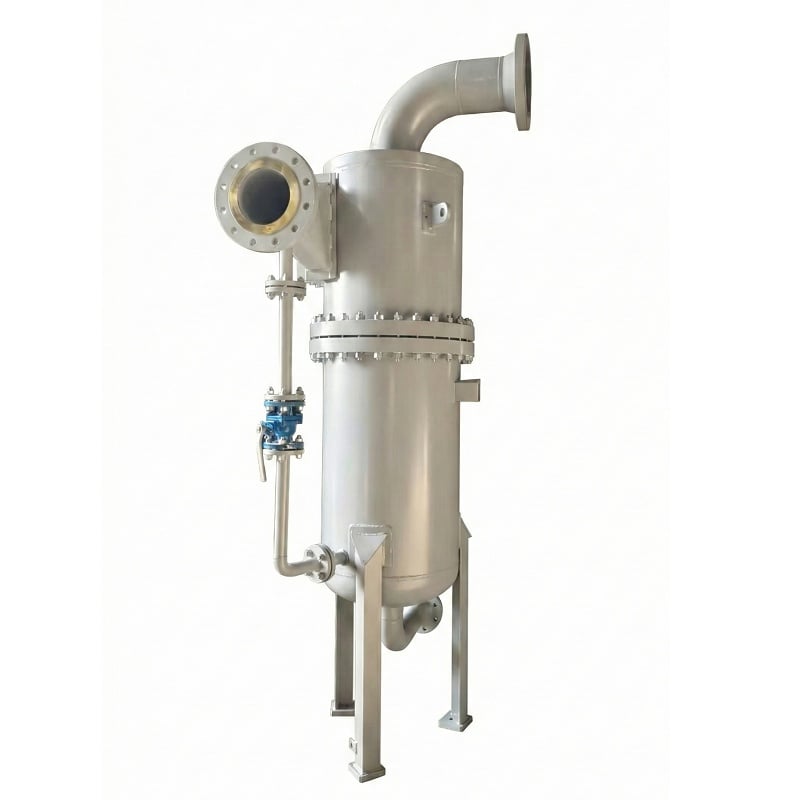
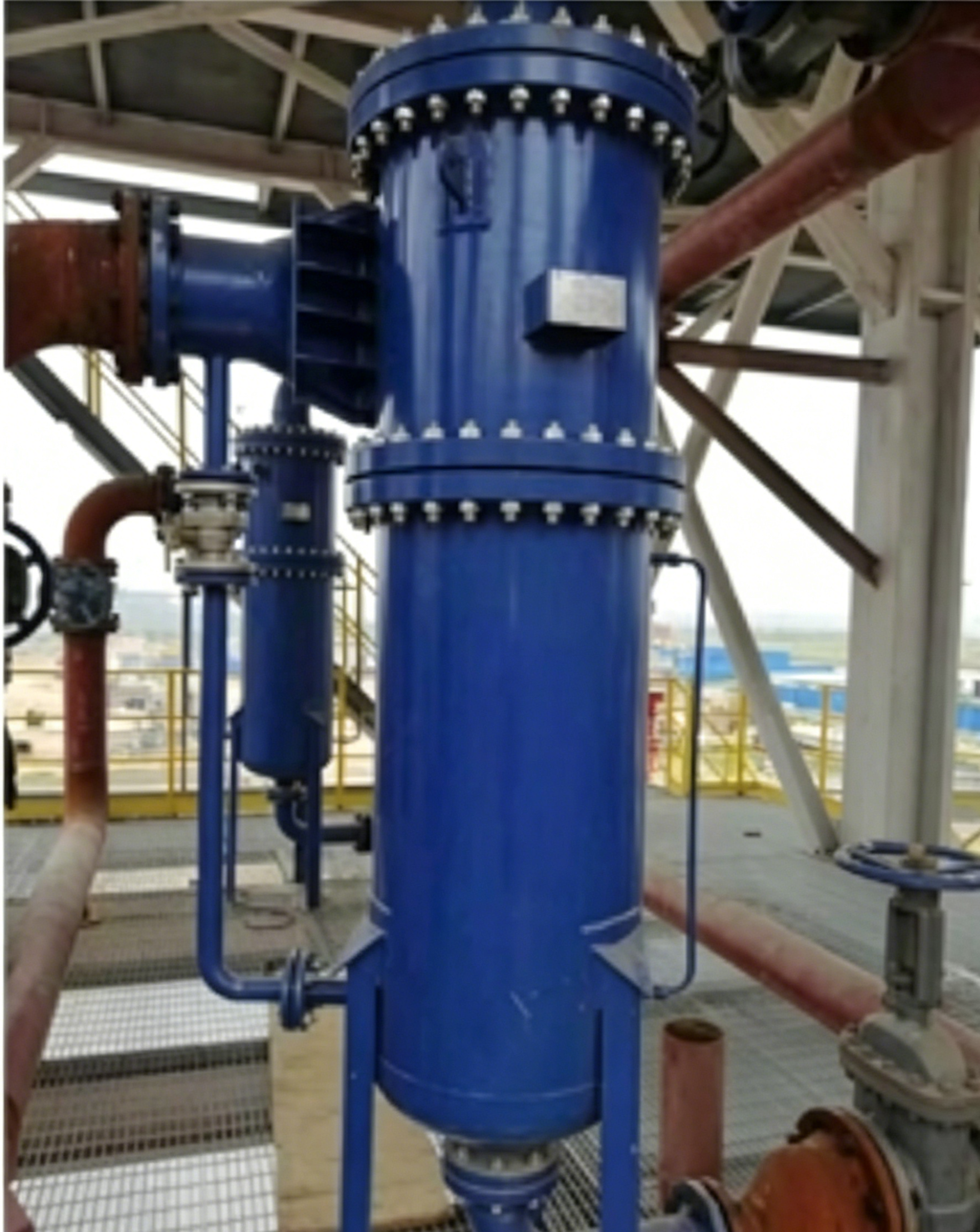
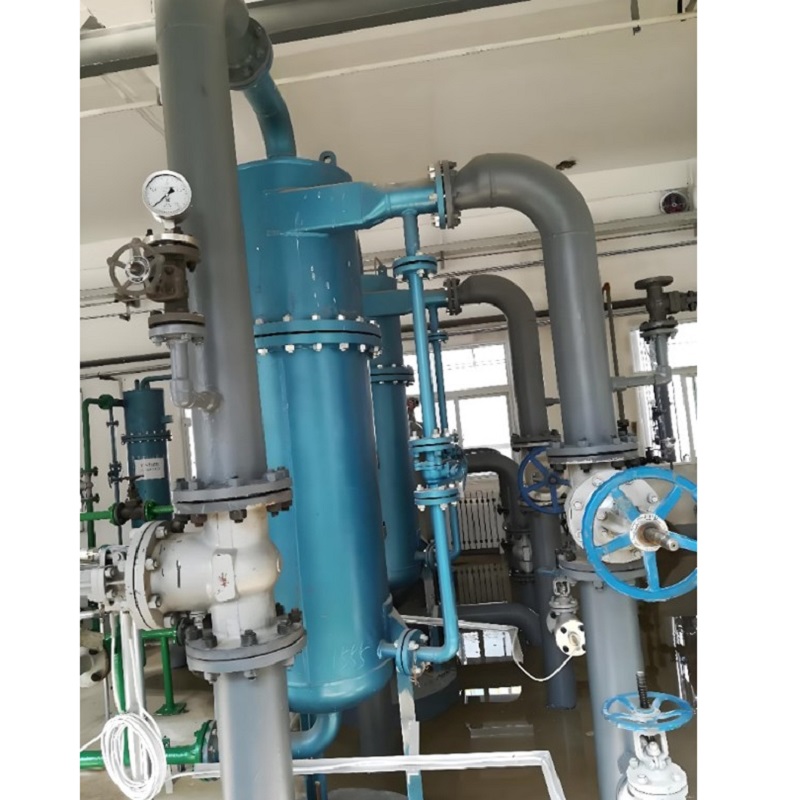
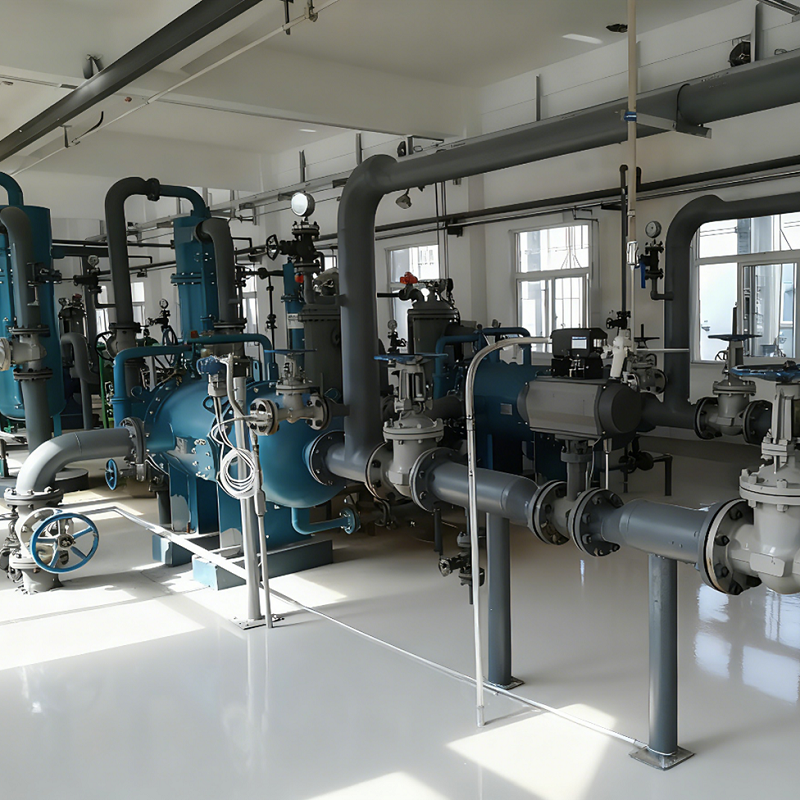
SXY-L liquid-solid hydrocyclone
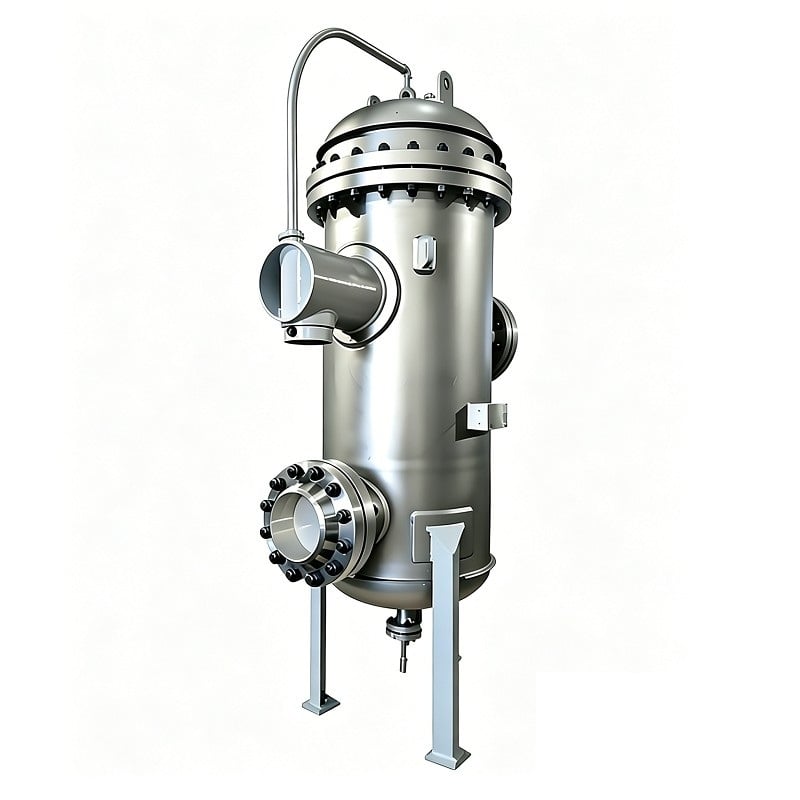
Liquid-solid hydrocyclone is a high-efficiency separation equipment that uses centrifugal force to separate solid particles from liquid based on density differences.

- Overview
- Recommended Products
Product Introduction
Liquid-solid hydrocyclone is a high-efficiency separation equipment that utilizes centrifugal force to separate solid particles from liquid media based on density differences. By converting fluid pressure energy into intense rotational motion, this device achieves rapid and precise phase separation without any external driving components. With its advanced hydraulic design and superior operational performance, it has become the preferred solution for solid-liquid separation across a wide range of industries—from water treatment and chemical processing to metalworking and petrochemical production.
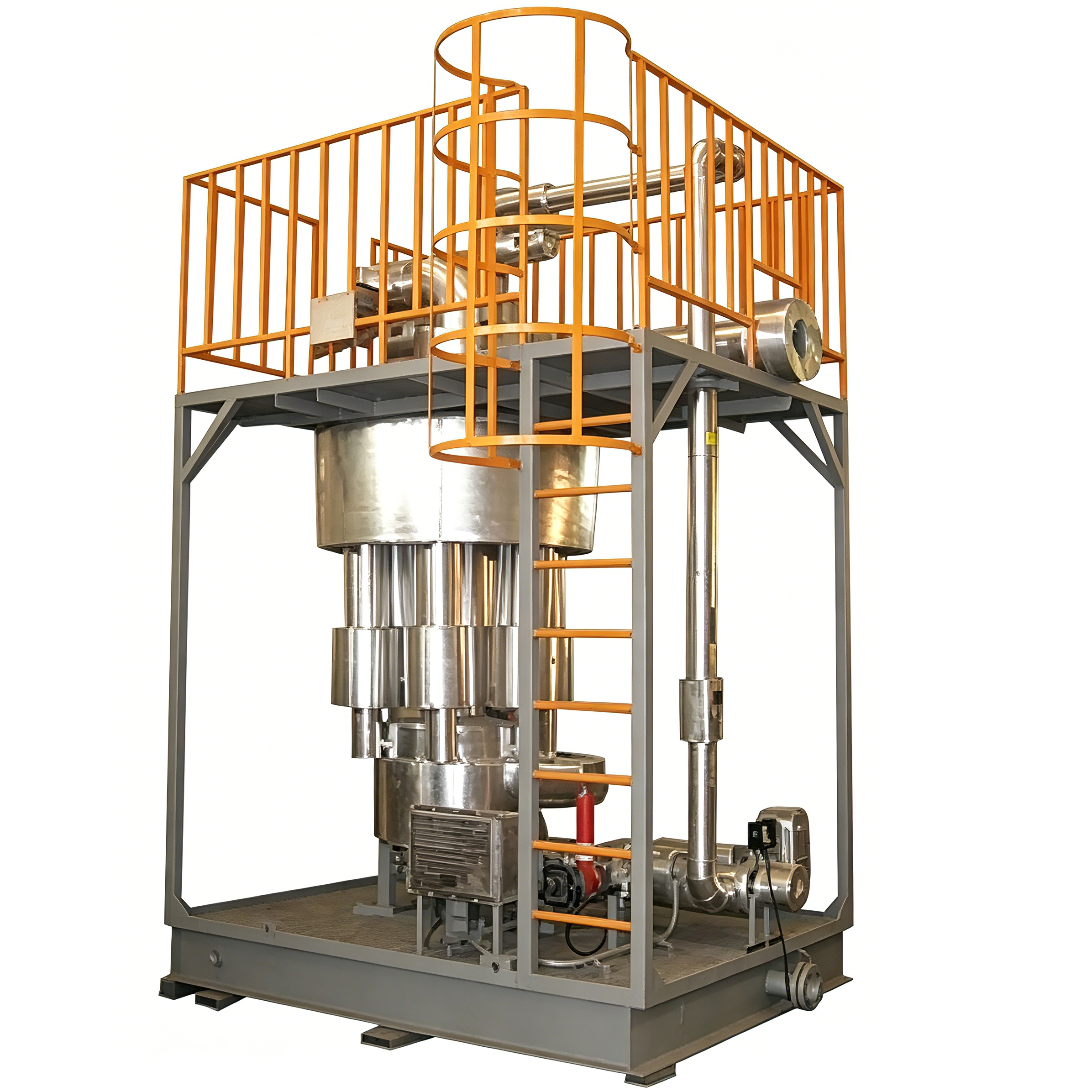
Key Advantages & Features
• No Moving Parts
The liquid-solid hydrocyclone achieves two-phase separation through structural design alone, with maintenance costs amounting to only 30% of those of conventional equipment.
• High Separation Efficiency
The centrifugal force field enables precise separation of micron-sized particles (10~75 μm), offering far greater separation accuracy than traditional sedimentation tanks.
• Continuous Operation
Capable of 24h uninterrupted processing and non-stop slag discharge, maximizing production efficiency.
• Compact Design
For the same processing capacity, the footprint is only 1/50 that of a sedimentation tank, making it ideal for space-constrained workshop layouts.
• Outstanding Process Flexibility
It can handle suspensions with solid content ranging from 0.5% to 40%, and allows dynamic adjustment of separation accuracy by varying the feed pressure (0.1–0.6 MPa) and overflow port diameter.
Supports parallel or series multi-stage configurations, enabling customized separation systems for complex operating conditions.
Working Principle
The liquid-solid hydrocyclone mainly consists of a cylindrical shell, a top outlet, a bottom solids purge and a side inlet. The liquid-solid two-phase mixture enters the cylindrical shell tangentially through the inlet, forming a high-intensity external vortex driven by centrifugal inertial force. Solid particles with higher density migrate to the shell wall under centrifugal force, settle down along the cylinder wall and fall into the bottom solids collection chamber.
Guided by the annular transfer ring, the two-phase mixture after the initial separation continues to flow tangentially into the inner cylinder and forms an Internal Vortex for secondary cyclone separation, where the separated solid particles move toward the inner cylinder wall, enter the solids collection chamber, and are finally discharged from the system through the bottom solids purge.
Meanwhile, the lower-density liquid phase forms a low-pressure zone in the center of the rotational flow field, rises axially to form a central vortex, and is finally discharged through the top outlet, thus achieving efficient solid-liquid separation.
The combination of external vortex + internal vortex actions ensure high separation efficiency, with overflow liquid typically containing only fines below the cut-point size, while the underflow achieves high solids concentration. This dual-vortex mechanism reduces short-circuiting and delivers consistent, reliable performance over extended operating periods.
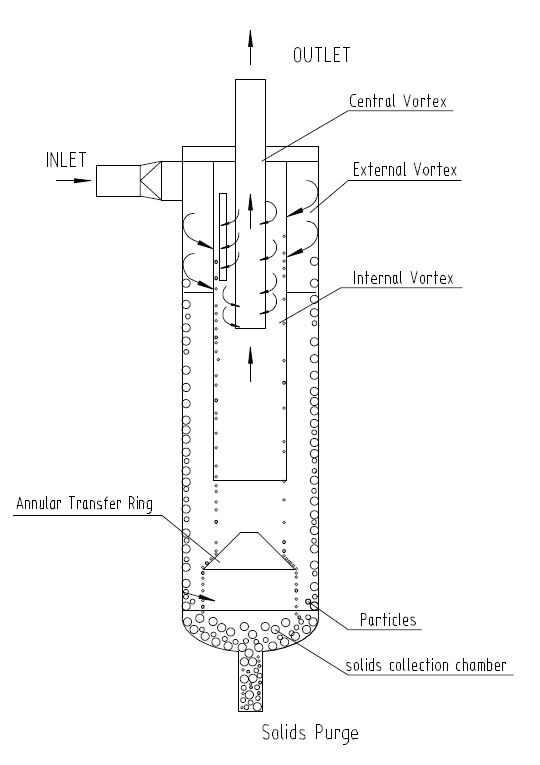
working principle diagram
Technical Specifications
Parameter |
Specification |
Medium |
Solid-liquid Mixture |
Operating Pressure |
≥0.1 MPa(G) |
Operating Temperature |
0~99 ℃ |
Design Pressure |
1.0 MPa(G),1.6 MPa(G), or Specified |
Design Temperature |
<100 ℃ |
Flow velocity |
≤3m/s |
Blowdown flow rate |
≤10% |
Vessel Material |
Carbon Steel, SS304, SS316, DSS or Specified |
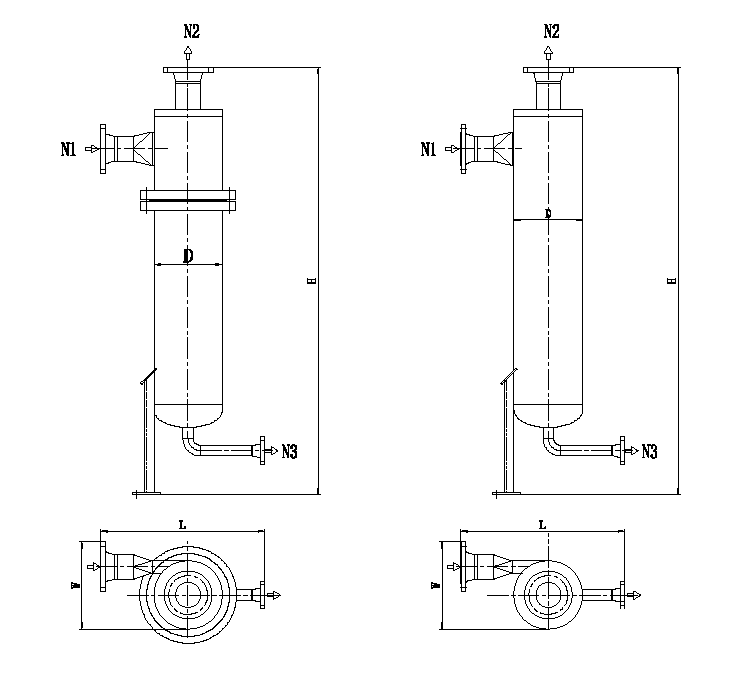
For with a wear-resistant coating For without a wear-resistant coating
Model and Specification
Model |
SXY7-L.25 |
SXY13-L.40 |
SXY28-L.50 |
SXY50-L.80 |
SXY100-L.100 |
SXY190-L.150 |
SXY330-L.200 |
SXY530-L.250 |
SXY760-L.300 |
SXY1030-L.350 |
Applicable Capacity m³/h |
≤7 |
7~13 |
13~28 |
28~50 |
50~100 |
100~190 |
190~330 |
330~530 |
530~760 |
760~1030 |
|
Vessel Diameter mm |
DN100 |
DN150 |
DN200 |
DN200 |
DN300 |
DN400 |
DN600 |
DN700 |
DN800 |
DN900 |
Main Connection Dimensions (mm) |
|
|||||||||
|
Inlet N1 |
DN25 |
DN40 |
DN50 |
DN80 |
DN100 |
DN150 |
DN200 |
DN250 |
DN300 |
DN350 |
|
Outlet N2 |
DN25 |
DN40 |
DN50 |
DN80 |
DN100 |
DN150 |
DN200 |
DN250 |
DN300 |
DN350 |
|
Drain N3 |
DN25 |
DN25 |
DN40 |
DN40 |
DN40 |
DN40 |
DN50 |
DN50 |
DN80 |
DN80 |
L |
450 |
500 |
600 |
600 |
750 |
1050 |
1300 |
1600 |
1850 |
1950 |
W |
300 |
300 |
400 |
400 |
500 |
600 |
900 |
900 |
1050 |
1150 |
H |
900 |
1150 |
1450 |
1500 |
1900 |
2250 |
3150 |
3700 |
4200 |
4600 |
Note:① The above are the parameters of the standard product. Customization is available.
② Model description: SXY□1□2-L.□3□4
□1:Inlet/ Outlet Dimensions
□2:Vertical
□3:Capacity per Unit
□4:Type Code
Typical Applications
• Raw Water Desanding
Desanding treatment for groundwater, seawater, lake water, river water, and other raw water sources.
• Solid-Liquid Separation in Metalworking & Cooling Systems
Cyclonic separation and solids removal from cutting fluids, grinding fluids, emulsions, and coolants in machine tool and engine manufacturing industries.
• Solid-Liquid Separation in Body Cleaning Processes
Solid-liquid separation during body cleaning, pre-cleaning, and post-cleaning processes, as well as separation of cleaning fluids and degreasing fluids in automotive painting industries.
• Cyclonic Solids Removal from Process Wastewater / Waste Liquids
Cyclonic removal of solid particles from various types of process wastewater or waste liquids.
• Cyclonic Coke Powder Removal from Quenching Water in Coking Units
Removal of coke powder from quenching water generated after coke cooling in coking units.
• Crude Separation of CTA Mother Liquor in the PTA Industry
Crude separation of CTA mother liquor in PTA production processes.
• Crystallization Liquid Thickening in the Chemical Industry
Thickening of crystallization liquids in chemical industry applications.
• Cyclonic Filtration & Desanding of Ship Ballast Water
Cyclonic filtration and desanding in ballast water systems for floating vessels (ships).
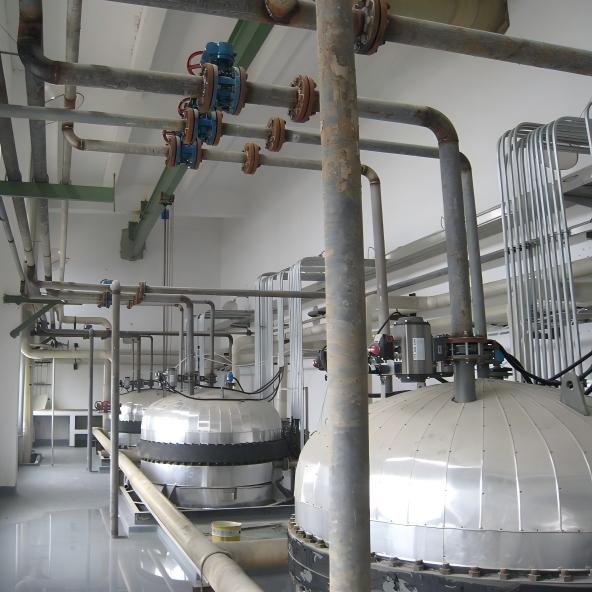
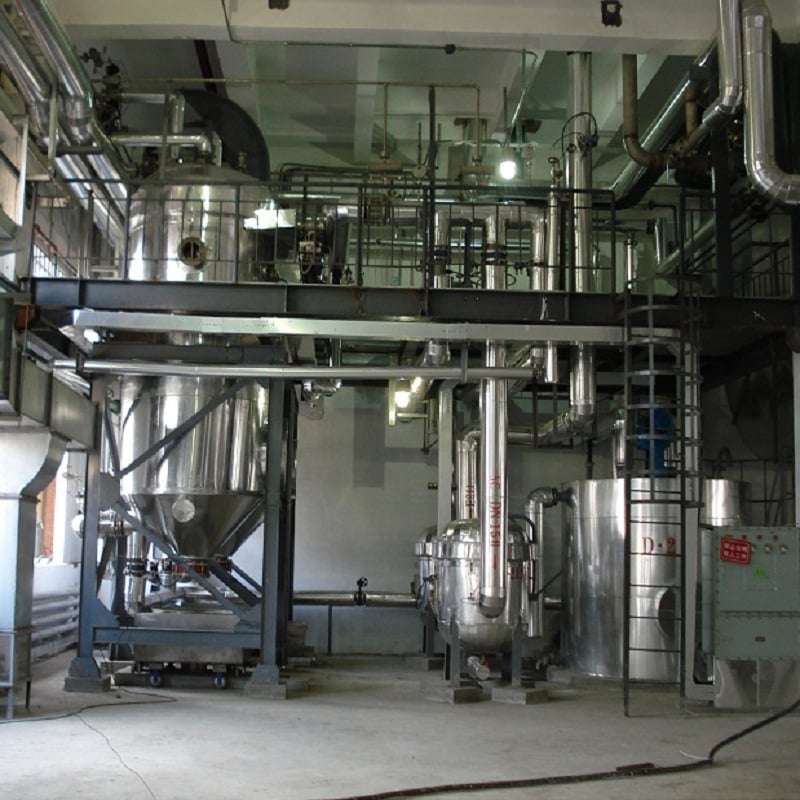
Some Products in Application Fields
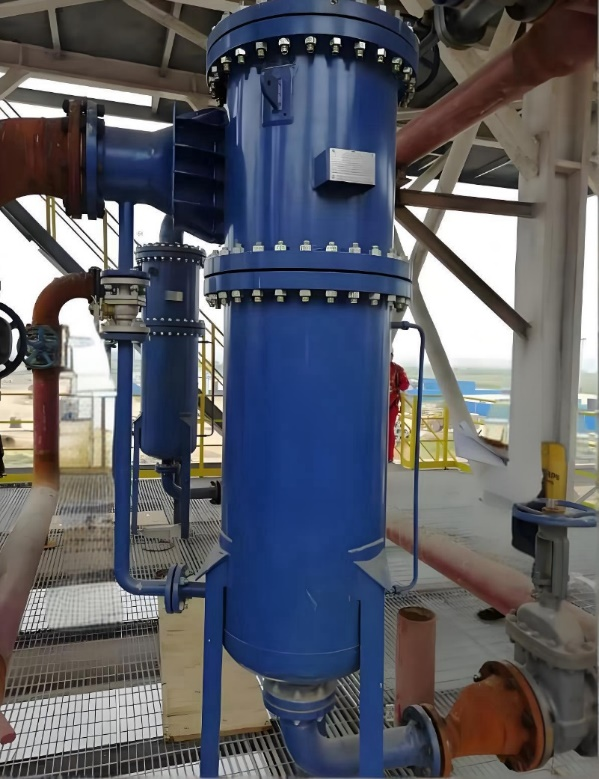
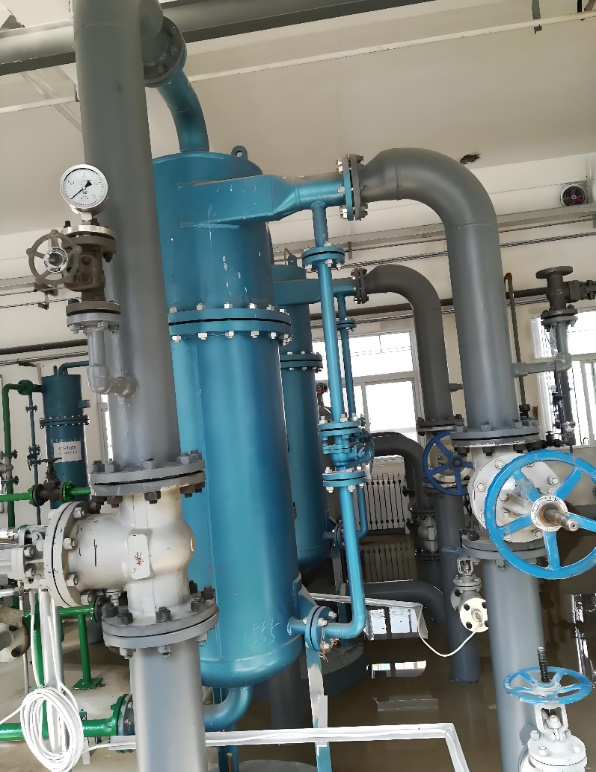
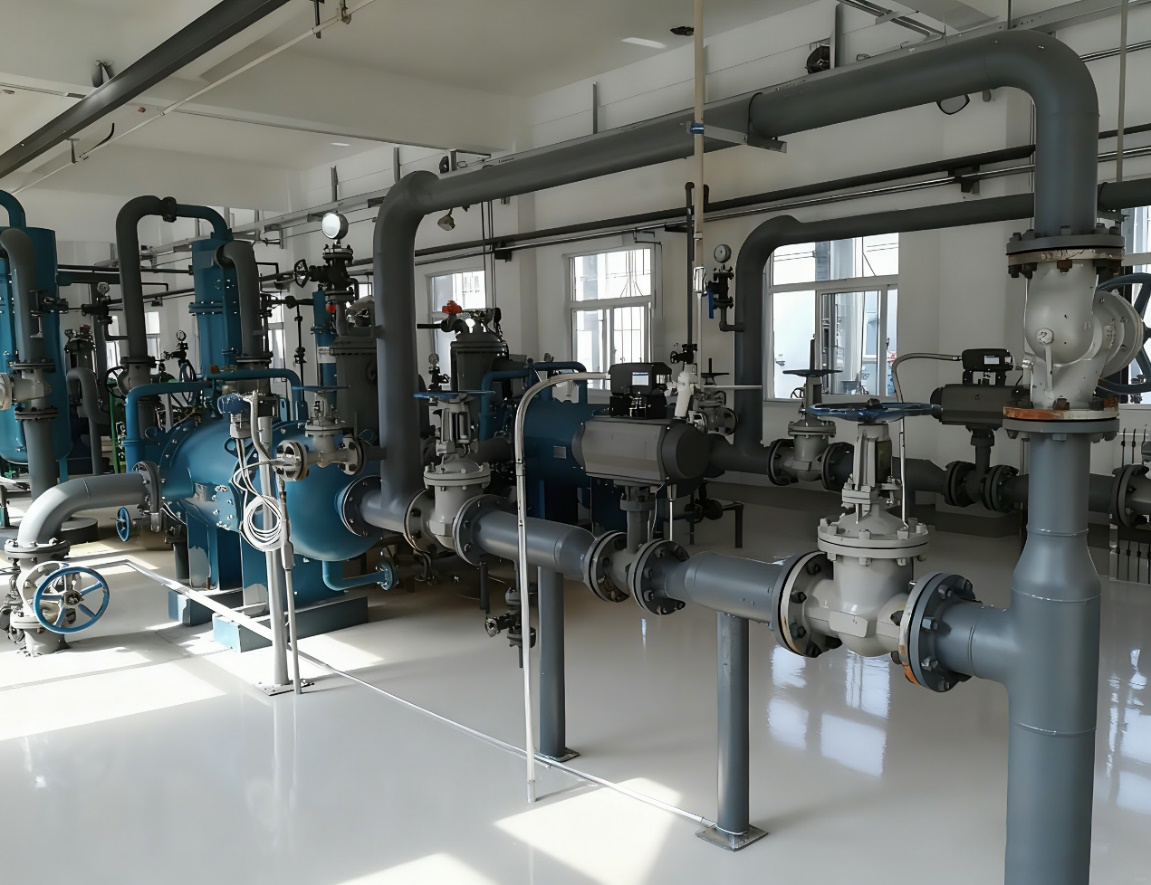
With proven reliability, low operating costs, and exceptional adaptability, our liquid-solid hydrocyclone series offers a robust and cost-effective solution for virtually any solid-liquid separation challenge. For further technical consultation or to request a customized design, please contact our sales engineering team. We are ready to assist you in selecting the optimal model and configuration for your specific application.