EN
EN


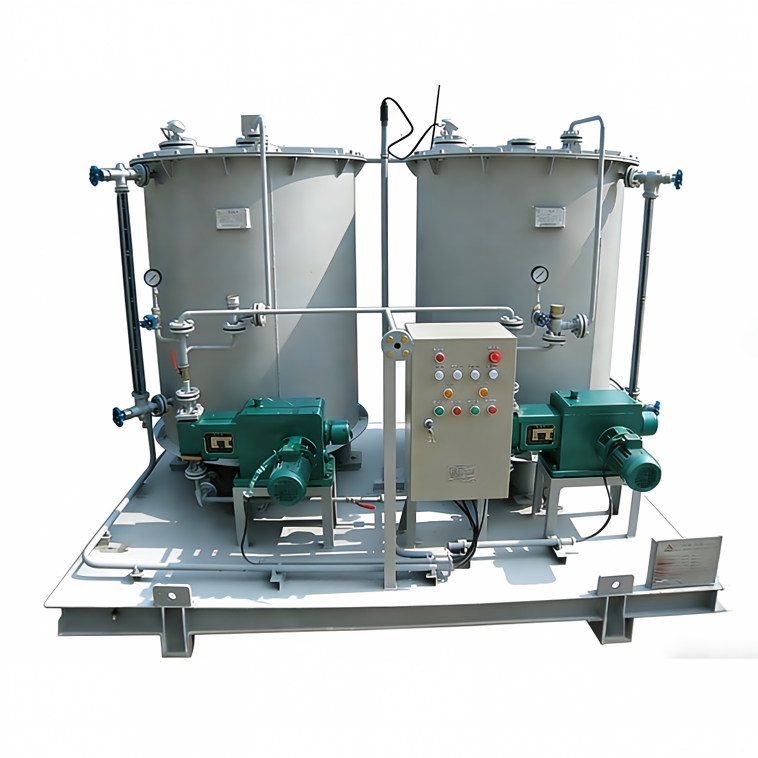
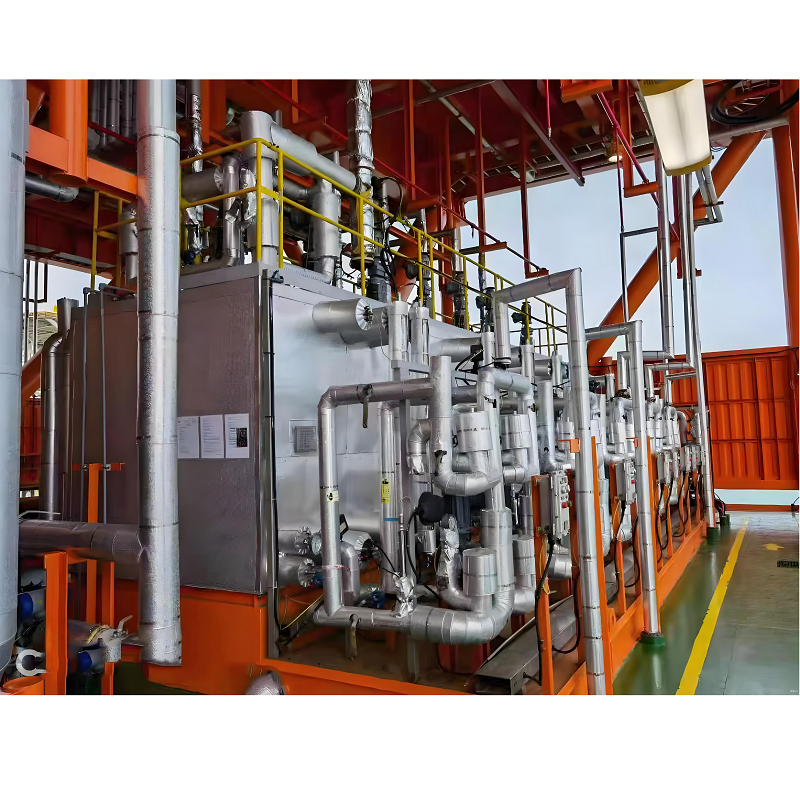
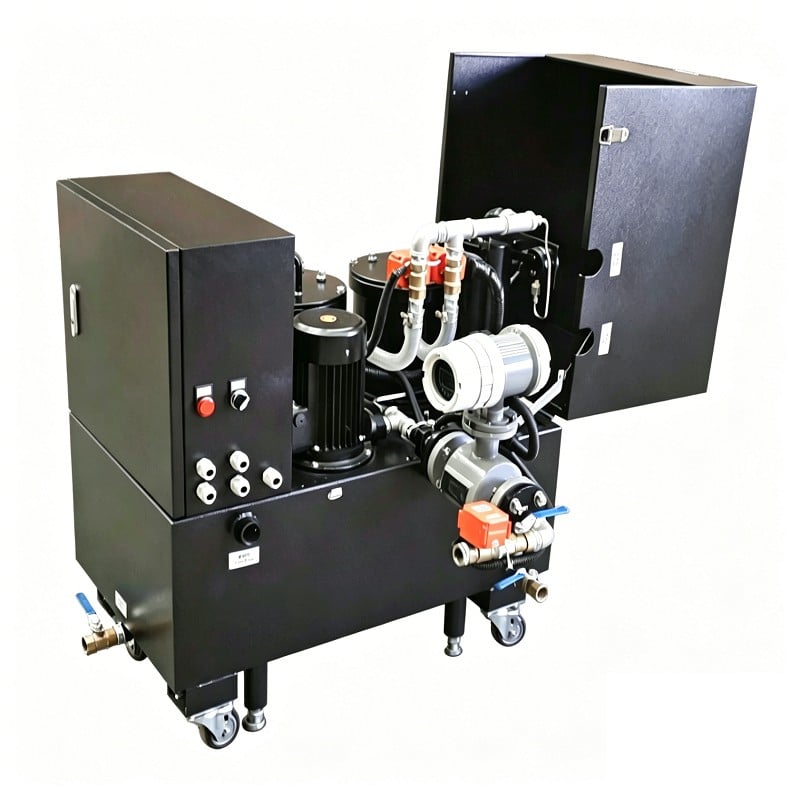
Chemical Injection Skid
To enhance processing efficiency and prolong the service life of equipment and pipelines, various chemical agents are commonly used in oil and gas development, including demulsifiers, defoamers, corrosion inhibitors, pour point depressants, reverse demulsifiers, and scale inhibitors.

- Overview
- Recommended Products
Product Introduction
To enhance processing efficiency and prolong the service life of equipment and pipelines, various chemical agents are commonly used in oil and gas development, including demulsifiers, defoamers, corrosion inhibitors, pour point depressants, reverse demulsifiers, and scale inhibitors. The chemical injection system must be capable of storing, mixing, and distributing chemical solutions, as well as precisely injecting them into target systems. Its main equipment includes storage tanks, injection pumps, and associated pipelines and valves.
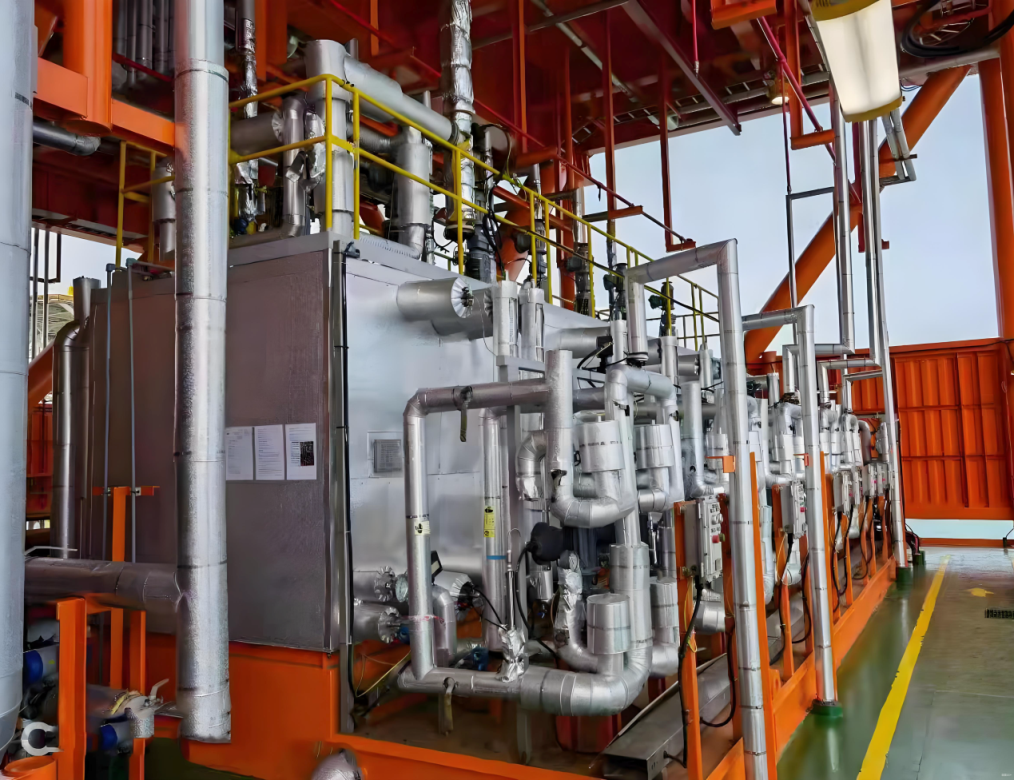
The Chemical Injection Skid should be applicable to offshore environment, and We should at our own cost arrange inspection and obtain final certificate of the package from one of the certifying agencies authorized by COOOSO, which are ABS, DNV, BV and CCS etc.
Key Advantages & Features
Key Challenges |
Solutions |
Space Constraints, Difficult Layout |
Highly Integrated, Space-Saving: Integrates medicine storage, dosing, injection, and control into a single/compact base, significantly saving deck space. |
High Offshore Installation Costs and Long Cycles |
Pre-fabricated as a Whole, Rapid Deployment: Manufactured and tested onshore, transported and lifted as a complete unit, greatly reducing offshore construction time, risks, and costs. |
Requires Precise and Stable Chemical Injection |
Professional Control, Accurate Dosing: Utilizes high-precision metering pumps and an automatic control system to ensure accurate dosage and continuous stability, guaranteeing process effectiveness. |
Harsh Environment, High Safety and Maintenance Challenges |
Safe, Reliable, and Easy to Maintain: Employs corrosion-resistant materials and sealed designs, integrates leakage alarms, explosion-proof features, and modular designs for easy inspection and replacement. |
Diverse Processes and Variable Requirements |
Flexible Configuration, High Adaptability: Uses standardized modules that allow flexible adjustment of pump head quantity, chemical types, and flow ranges, quickly adapting to different process needs. |
Technical Specifications
Item |
Specification |
Storage Tank Operating Pressure |
Atmospheric |
Storage Tank Design Pressure |
Full of Product/Water or other specified requirements |
Main Materials |
Carbon Steel (with internal lining/coating), Stainless Steel, or other specified requirements |
Storage Tank Volume |
Customized |
Storage Tank |
Equipped with agitators, level gauges, etc |
Injection Pump |
Diaphragm metering pump or plunger pump or other specified requirements |
Injection Flow Rate |
0 - 500 L/h (or as specified) |
Auxiliary Equipments for Injection Pump |
Pulsation dampers, safety relief valves, back pressure valves, Y-type filters, etc |
Control Mode |
Remote automatic control by PLC/DCS |
Composition and Working Principle
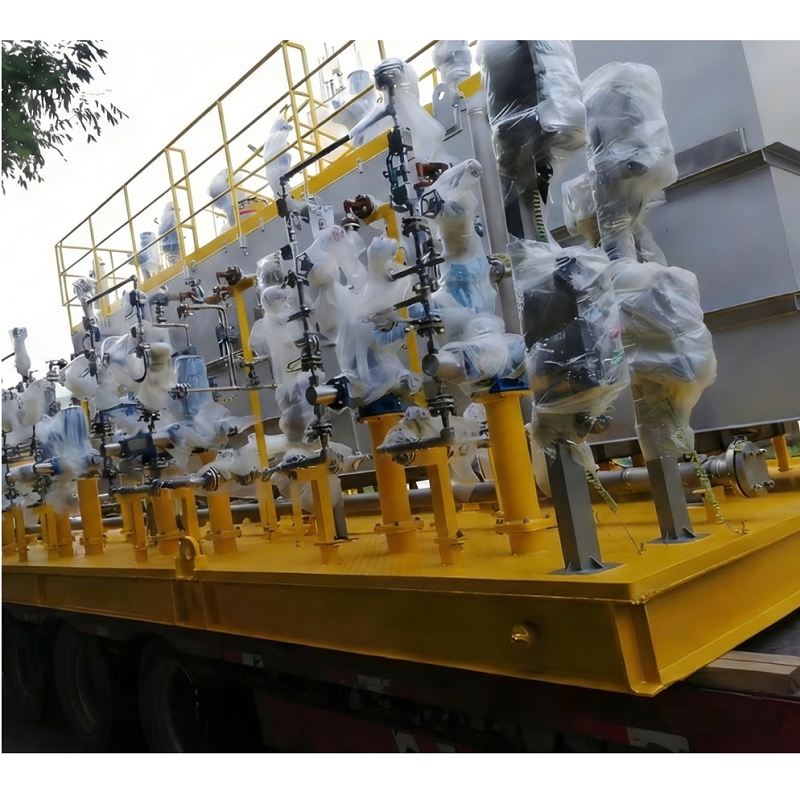
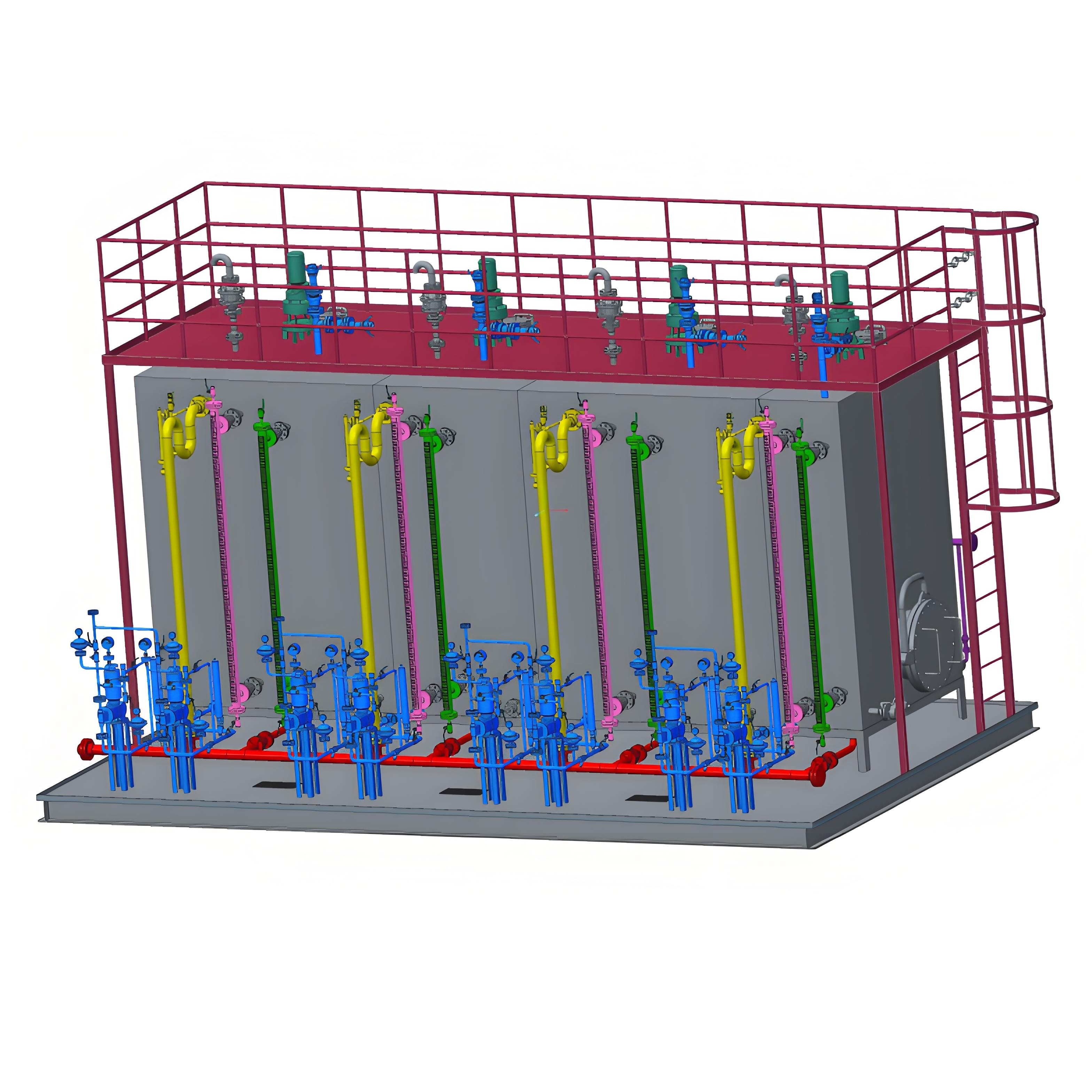
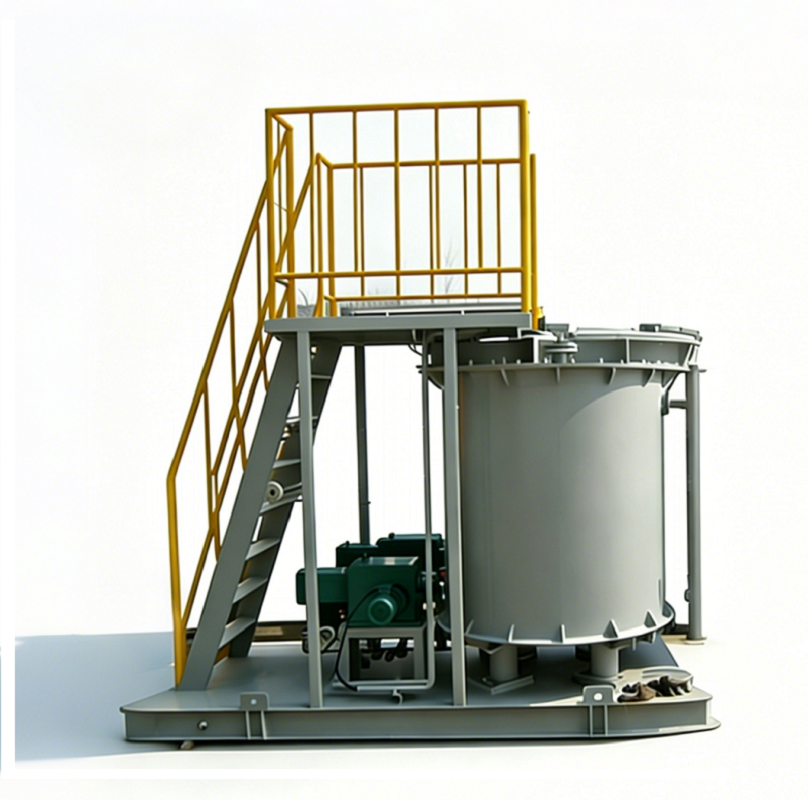
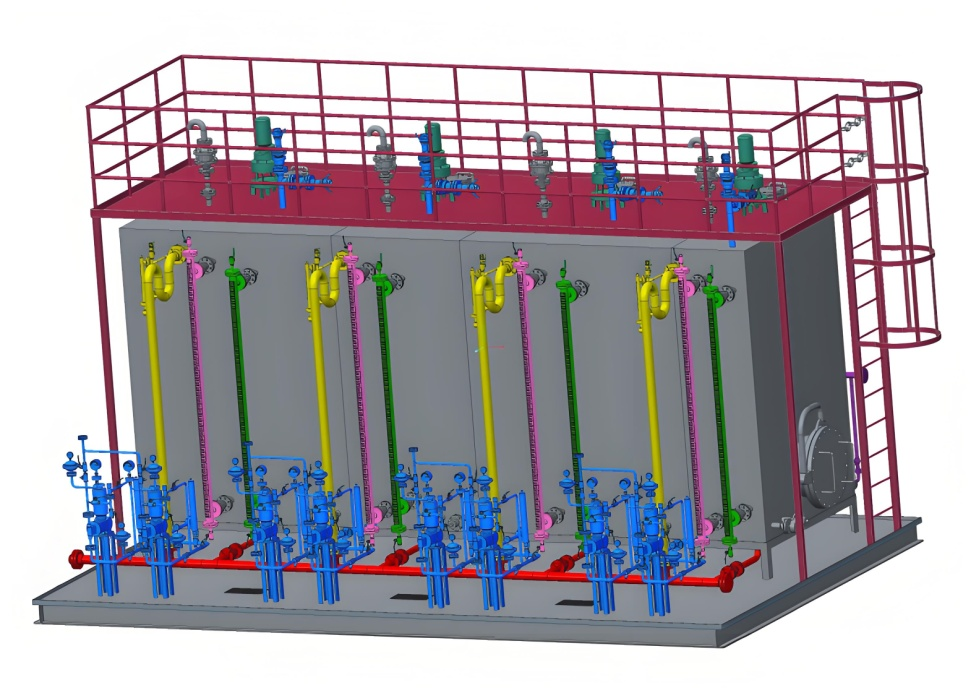
The chemical injection system is a reliable metering pump skid comprising diaphragm metering pumps or plunger metering pumps, complete with valves, Y-type strainers, safety relief valves, pressure gauges, pulsation dampeners, chemical storage tanks (with agitators), base frames, access ladders, and other associated auxiliary components.
The system operates by preparing the chemical solution in the mixing tank at the required concentration. After thorough agitation by the mixer, the prepared solution is transferred to the solution tank, from which it is then precisely delivered by the metering pump (dosing pump) to the designated injection point or the specified process system.
The metering pump is equipped with variable frequency drive, enabling fully adjustable and precise flow control from 0 to 100% of rated capacity. The pump head material, diaphragm material, and associated piping materials are all carefully selected based on the specific properties of the chemicals and the process fluid to ensure compatibility and long-term reliability. The MTBF (Mean Time Between Failures) is ≥ 8,000 hours.
Design Core Points
• Compatibility: All components that come into contact with chemicals must be made of materials compatible with the chemicals to prevent corrosion or contamination.
• Precision and Reliability: The accuracy and reliability of the injection pump are critical, typically requiring a metering accuracy of ±1%.
• Safety: In cases involving high-pressure, toxic, or flammable chemicals, explosion-proof design, leak detection, and pressure protection are essential.
• Maintainability: Equipment layout should facilitate operation, observation, maintenance, and component replacement (e.g., filters, diaphragms).
• Environmental Adaptability: For outdoor use, considerations must include resistance to salt spray, waves, sunlight, rain, wind, and extreme temperatures in offshore environments.
• Integration and Scalability: Standard interfaces should be reserved to facilitate connection with the plant's main control system and future capacity expansion.
Process Flow Diagram
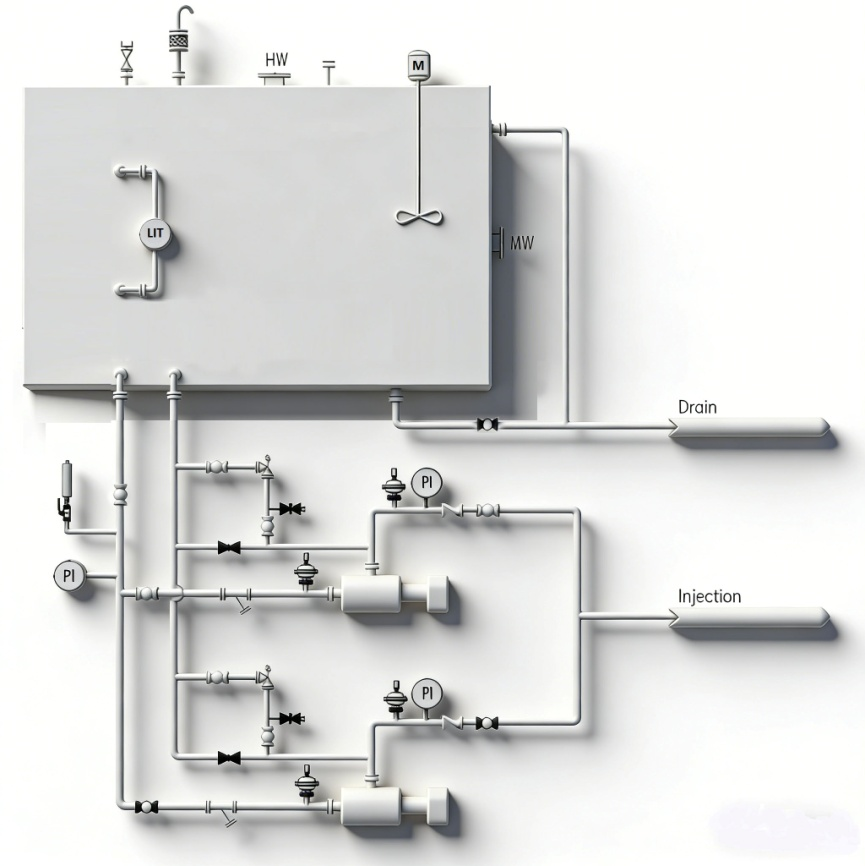
A typical Process Flow Diagram (PFD) for the chemical injection skid is shown below:
Some Products in Factory
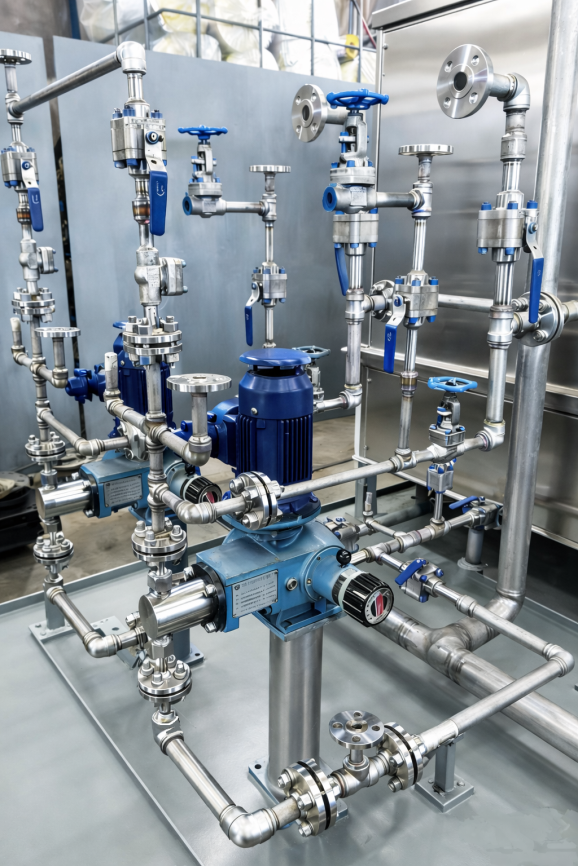
Pipelines Pre-installation in factory
Application Fields
• Chemical treatment field, including the transportation of acidic, alkaline, hazardous, and corrosive fluids.
• Injecting chemicals into boiler circulating water, mainly for power plants, chemical industry, metallurgy, shipping, and other applications using boilers.
• For chemical dosing in the pretreatment of tap water supply, mainly used in municipal waterworks, large-scale enterprise self-supplied water plants, and small-scale secondary pure water extraction stations.
• Dosing and disinfection in wastewater and sewage treatment for environmental protection, mainly used for wastewater and sewage treatment in cities, industrial and mining enterprises, and large hotels.
• Used in industrial circulating water treatment, welding circulating water treatment, cooling circulating water treatment, and electrophoretic paint preparation processes.
• Other fields requiring quantitative addition of various media.
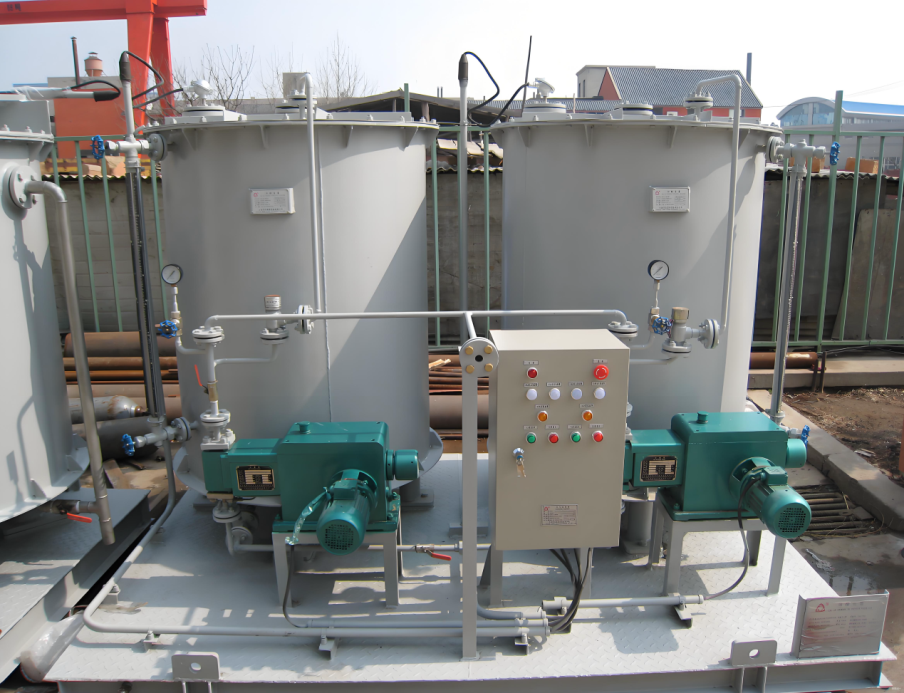
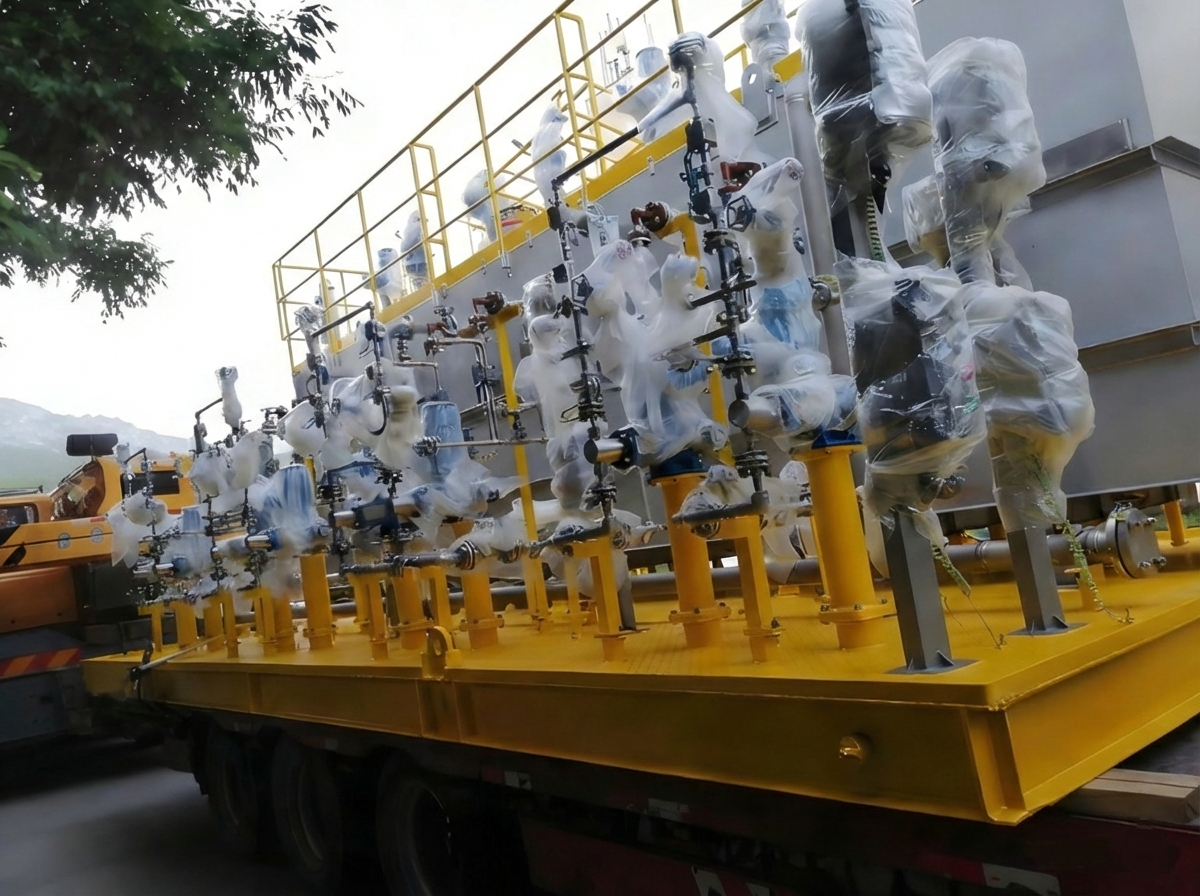
Pre-assembled chemical injection skid in factory, ready for integrated testing
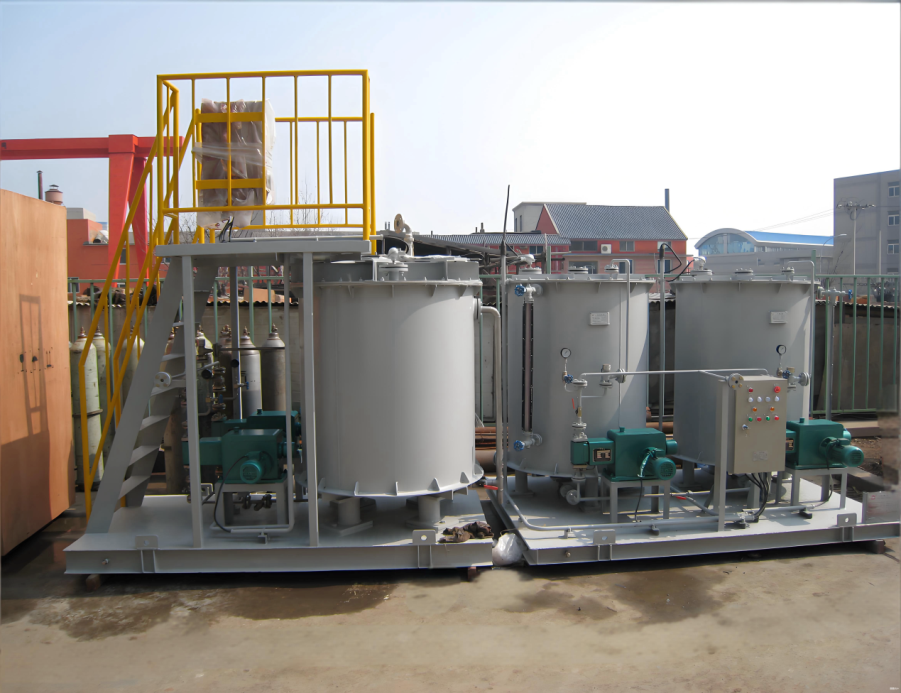
Conducting Factory Acceptance Test (FAT)